At 8:15 in the morning on August 6, 1945, the city of Hiroshima was changed forever. In a single moment, an atomic bomb detonated above the city, releasing a level of destruction the world had never seen before. Entire neighborhoods were erased, tens of thousands of people were killed instantly, and many more suffered injuries and radiation sickness that would affect them for the rest of their lives. What remained was a city turned to rubble and a global turning point in the history of warfare. Today, the Hiroshima Peace Memorial Complex stands at the center of what was once ground zero. Rather than rebuilding the area as a normal urban space, the city of Hiroshima chose to preserve it as a place of remembrance, education, and reflection. The complex is not a single monument, but a collection of memorials, museums, and preserved ruins that together tell the story of the atomic bombing and its consequences. More importantly, it sends a message that reaches far beyond Japan: a warning about the dangers of nuclear weapons and a call for peace.
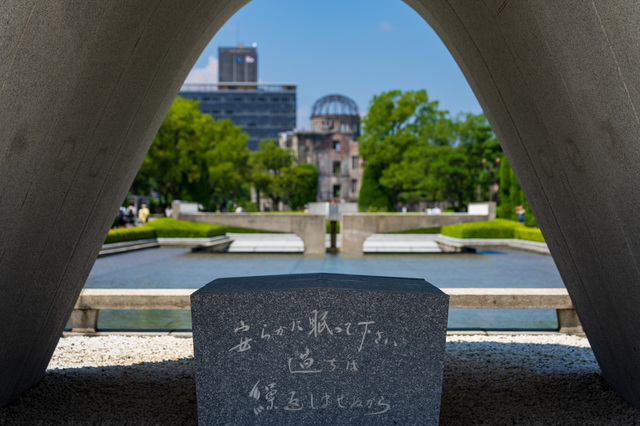
“Let all the souls here rest in peace; for we shall not repeat the evil.” — Inscription on the Memorial Cenotaph
What The Monument Memorializes: The Atomic Bombing of Hiroshima
The Hiroshima Peace Memorial Complex memorializes the atomic bombing of Hiroshima and its victims. On August 6, 1945, during the final months of World War II, the United States dropped an atomic bomb known as “Little Boy” on the city. The explosion instantly killed an estimated 70,000 people. By the end of the year, the death toll had risen to around 140,000 due to burns, injuries, and radiation-related illnesses. Thousands more would continue to suffer health effects for decades. The victims included men, women, children, elderly people, and even prisoners of war. Many were civilians going about ordinary daily activities, heading to work, attending school, or preparing breakfast when the bomb exploded. Survivors of the bombing are known as hibakusha, a term that refers not only to physical survival but also to the long-term emotional, social, and medical impacts of the event. Rather than focusing on a single individual, the Peace Memorial Complex honors loss as a whole. It remembers those who died immediately, those who later died from radiation exposure, and those who lived with the trauma. The complex also acknowledges the broader human consequences of nuclear warfare, making it relevant to people far beyond Hiroshima.
Who Built the Complex and Why?
After World War II ended, Hiroshima faced the challenge of rebuilding from near total destruction. Instead of erasing the bombing site and moving forward without acknowledgment, city leaders and residents made a deliberate choice to preserve the area as a memorial space. In 1949, the Japanese government passed the Hiroshima Peace Memorial City Construction Law, which officially designated the area around ground zero as a peace memorial zone. The goal was not only to mourn the dead but also to transform Hiroshima into a city that symbolized peace rather than military power. This decision reflected Japan’s postwar shift toward pacifism, especially after the adoption of a constitution that renounced war.
Design and Construction
The design of Peace Memorial Park was selected through a competition, which was won by architect Kenzo Tange. The construction of the park and its major monuments was completed by 1955. Tange’s design emphasized openness and symmetry that guide visitors through the space with purpose. Importantly, the complex was built during a time when memories of the bombing were still fresh. Many survivors were alive, and debates about responsibility, victimhood, and memory were still ongoing. The creation of the memorial complex during this period allowed survivors to shape how the event would be remembered.
Key Monuments Within the Complex
The Hiroshima Peace Memorial Complex consists of several important monuments, each contributing a distinct perspective to its overall message.
The Atomic Bomb Dome
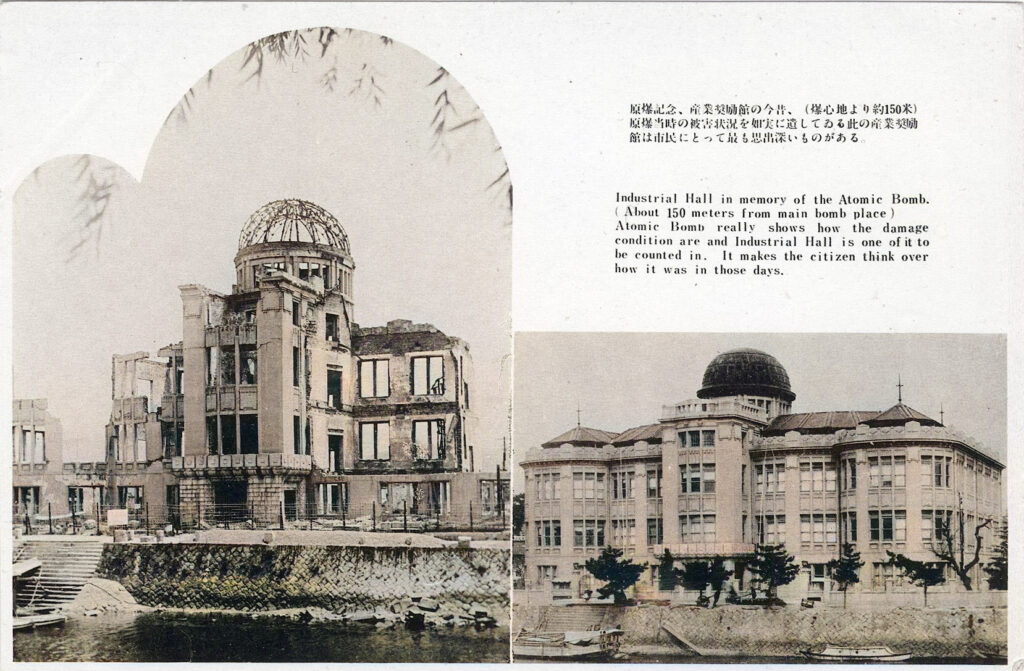
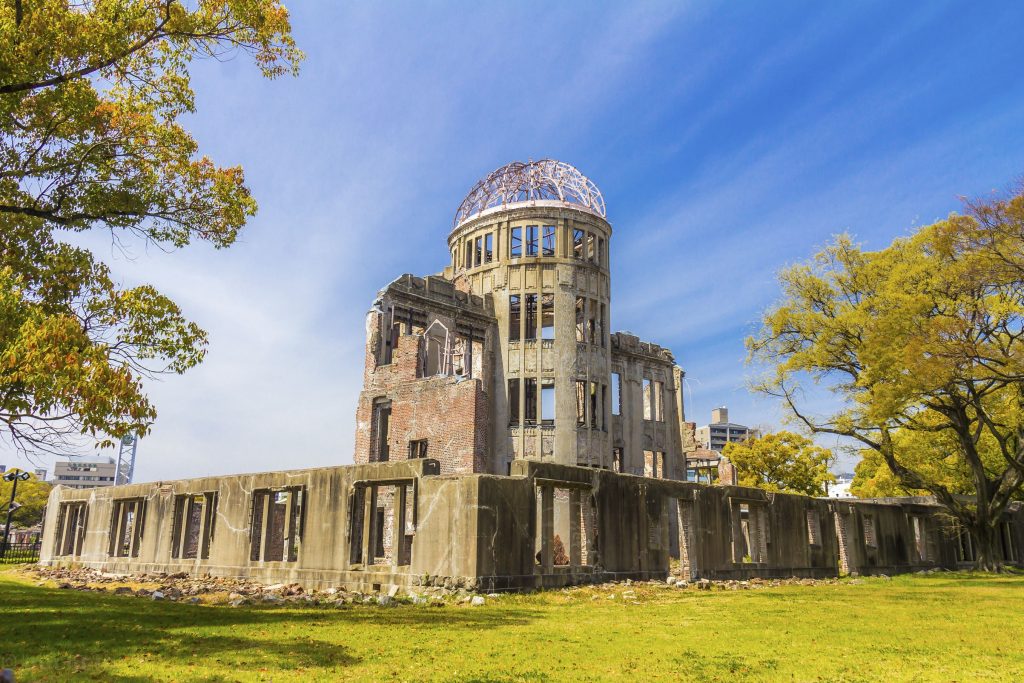
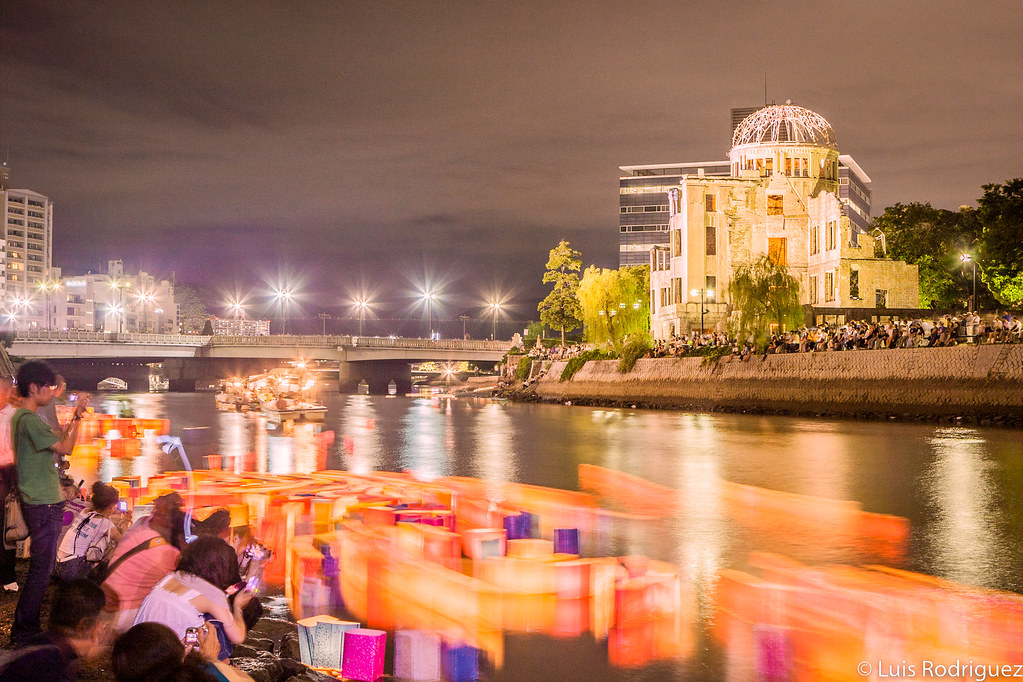
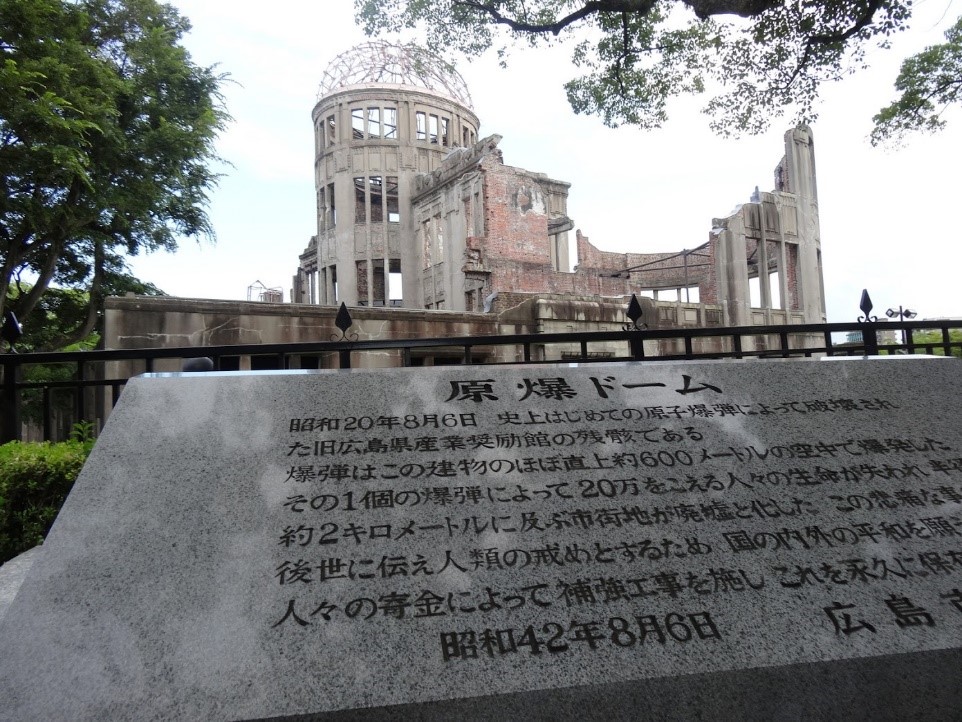
The Atomic Bomb Dome is most likely the most recognizable structure in the complex. It was originally built as the Hiroshima Prefectural Industrial Promotion Hall, it was located almost directly beneath the bomb’s hypocenter. While most buildings were flattened, the dome’s skeletal structure remained standing.Rather than demolishing it, the city chose to preserve the building in its damaged state. The exposed steel framework and crumbling walls serve as a physical reminder of the bomb’s destructive power. The dome’s unfinished and ruined appearance forces visitors to confront the reality of what happened, rather than allowing history to feel so distant.
The Memorial Cenotaph
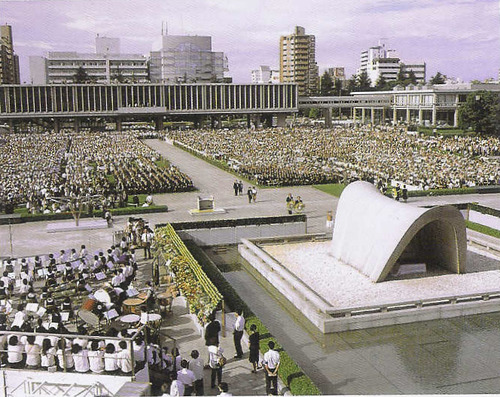
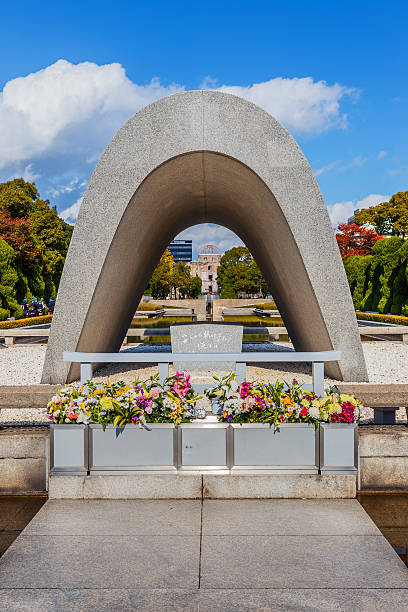
Located at the center of Peace Memorial Park, the Memorial Cenotaph holds a stone chest containing the names of all known victims of the bombing. Its curved concrete shape resembles a shelter, symbolizing protection for the souls of the dead. The inscription on the cenotaph reads, “Let all the souls here rest in peace; for we shall not repeat the evil”. It has been widely discussed and interpreted. Rather than assigning blame to a specific nation, the wording emphasizes shared responsibility and a collective promise to prevent destruction like this from happening again.
The cenotaph is carefully aligned so that when viewed from certain angles, it frames the Atomic Bomb Dome in the distance, connecting memory with the physical remains of the bombing.
The Children’s Peace Monument
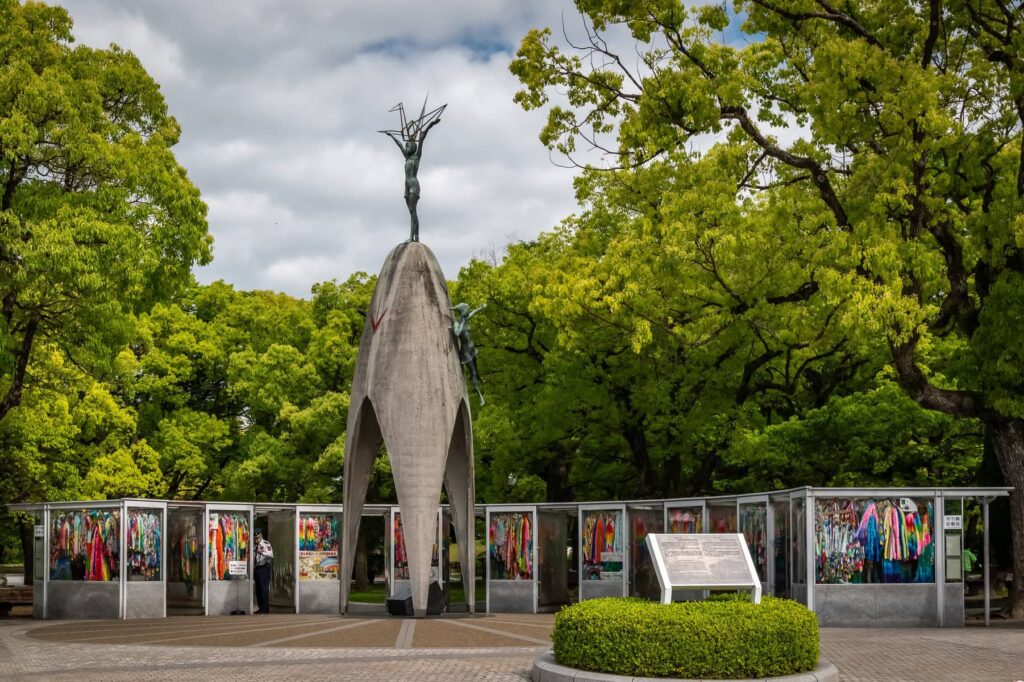
The Children’s Peace Monument commemorates the thousands of children who died as a result of the bombing. It is closely associated with Sadako Sasaki, a young girl who developed leukemia due to radiation exposure. Sadako attempted to fold 1,000 paper cranes, believing the traditional story that doing so would grant a wish for recovery. She died before completing them. The monument depicts a child holding a golden crane, surrounded by colorful paper cranes sent by children from around the world. This monument emphasizes innocence, loss, and hope, making it one of the most emotionally powerful sites within the complex.
Visual Symbol and Overall Message
The design of the Hiroshima Peace Memorial Complex is intentional and symbolic. Wide open spaces encourage reflection rather than crowding. Pathways guide visitors slowly through the park, allowing time to process what they see. The alignment of monuments creates a visual that moves from remembrance to hope. Water features throughout the park reference the desperate search for water experienced by many victims who suffered severe burns. Green spaces and trees represent life, renewal, and resilience. Together, these elements communicate several key messages like the immense human cost of nuclear warfare, the importance of remembering victims with dignity, and the responsibility of future generations to prevent similar tragedies.
Public Reaction at the Time of Construction
When the Peace Memorial Complex was first created, reactions were very emotional. For many survivors, the park provided an important place to grieve and honor lost loved ones. Others struggled with revisiting the trauma so openly. There were also political tensions. Some critics argued that the memorial did not clearly identify who was responsible for the bombing, while others believed that focusing on peace rather than blame was the correct approach. Overall, the response of these debates was supportive, especially with the Hiroshima residents who saw the complex as a meaningful way to preserve memory.
How the Monument is Viewed Today
Today, the Hiroshima Peace Memorial Complex is internationally recognized as a site of education and reflection. Millions of visitors from around the world visit each year, including students, scholars, political leaders, and tourists. Every year on August 6, the city holds a Peace Memorial Ceremony, where participants observe a moment of silence at 8:15 a.m. The ceremony reinforces the park’s ongoing relevance and its role in promoting global peace. While debates about nuclear weapons and wartime responsibility continue worldwide, the core message of the memorial complex has remained consistent. It is widely viewed as a necessary reminder of the consequences of modern warfare.
Controversy and the Question of Removal
Unlike some historical monuments that honor controversial individuals or ideologies, the Hiroshima Peace Memorial Complex is rarely challenged with calls for removal. Its focus on victims and peace rather than glorification makes it broadly accepted. Instead of controversy over its existence, discussions tend to center on how the history is presented and how peace messages are communicated. These conversations demonstrate that the memorial is not static but continues to provoke reflection and dialogue.
A Living Memorial
The Hiroshima Peace Memorial Complex is more than a historical site. It is a living memorial that connects the past, present, and future. By preserving the ruins of destruction alongside monuments dedicated to peace, Hiroshima has created a space that forces visitors to confront uncomfortable truths while also offering hope. Through its careful design, powerful symbolism, and continued relevance, the complex reminds the world of the tragic impact of nuclear weapons and the responsibility humanity holds to prevent their use again. As long as it stands, the Hiroshima Peace Memorial Complex will continue to serve as both a warning and a call to action.