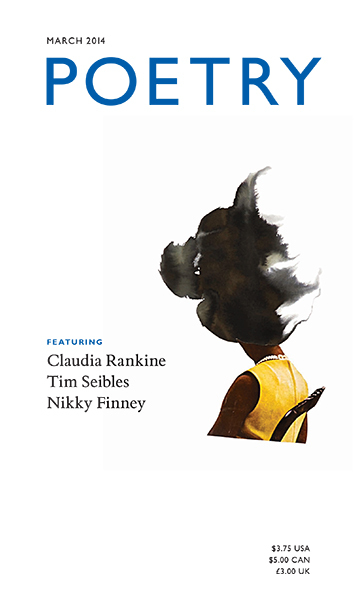
For this assignment, I chose another poem. I feel like poems tell a deeper story, and after my last post, I truly felt I should do another one. I chose “Ice Agents Storm My Porch” by Maria Melendez Kelson. It is a part of a collection called Poetry 2014. This is a very powerful and metaphorical poem that allowed me as a reader to explore the experience of ICE as someone who would be considered an outsider or other in this world. The poem has surreal imagery and emotional symbolism to express a deeper sense of identity, alienation, and loss.
Experience 1:
When I first read this poem, I was rushed with emotions, especially because of how relevant the poem feels to what is happening in the world today. The poem made me think about identity, belonging, and how systems of power can reduce people to documents or stereotypes. It felt personal and unsettling, and it made me reflect on how easily someone can feel like an outsider in their own space. It also made me think together as a whole about who truly made her feel this way.
The first section of the poem introduces the idea of being targeted and treated as different, creating a strong sense of fear and separation.
The Indiscriminate Citizenry of Earth
are out to arrest my sense of being a misfit.
“Open up!” they bellow,
hands quiet before my door
that’s only wind and juniper needles, anyway.
The language in this section creates an intense feeling of pressure and surveillance, as if the speaker is constantly being watched or judged. In this moment, the speaker describes a situation where simply existing feels like a reason to be questioned or threatened. The knocking at the door represents more than just physical presence; it reflects fear, anxiety, and the idea of not being safe even in your own home. This made me think about how belonging can feel fragile, especially when identity is constantly being challenged.
This moment reflects alienation. I felt a strong sense of separation and discomfort, as if the author was being pushed outside of society for simply being who she is. It made me reflect on how isolating that experience must feel and how easily someone can be made to feel like they do not belong. I felt so estranged from the world, from comfort. The idea that Maria’s sense of being different is something that someone can be arrested for makes me see the world as unwelcoming and hostile. I know what ICE does is not okay, but I have never read a story about it, just seen simple clips on the internet. Reading a story, connecting with one, and understanding how another person felt really makes me think how blind I was before.
The narrative technology at play here is an empathy generator. The poem places me directly into the author’s emotional experience, allowing me to feel her fear and isolation in a very immediate and personal way. The language and imagery make it seem as if I am experiencing these emotions alongside her, rather than just reading about them from a distance. This technique helps create a deeper emotional connection and understanding of what it means to feel alienated, especially in a situation where identity and belonging are being questioned. It also made me reflect on how powerful writing can be in helping readers understand experiences they may not have gone through themselves, making the emotions feel more real and impactful.
Experience 2:
As I got to the second section, my experience shifted toward empathy as I began to fully understand the emotional weight behind the poem. Even though I have not personally experienced everything described, the poem made it easier to connect with the speaker’s feelings. It showed how powerful storytelling can be in helping readers understand experiences that are different from their own.
The use of vivid imagery and personal reflection to express the emotional impact of constantly being questioned is what peaked my empathy moment.
You can’t do it, I squeak from inside.
You can’t make me feel at home here
in this time of siege for me and mine, mi raza.
Legalized suspicion of my legitimacy
is now a permanent resident in my gut.
The language here creates a strong emotional response, showing how deeply these experiences affect the author. In this moment, the author expresses how exhausting and painful it is to constantly feel like she does not belong. The phrase “permanent resident in my gut” shows how this fear and anxiety have become a lasting part of their identity. This helped me understand the emotional toll of these experiences, even if I have not lived them myself.
This reflects empathy because I felt a strong emotional connection to the author and her experience. The poem made me understand what it might feel like to live with that constant pressure and fear, which allowed me to see beyond my own perspective.
The narrative technology being used is an empathy generator. The poem uses emotional language and personal expression to draw the reader directly into the speaker’s experience. The way the emotions are described makes them feel immediate and real, allowing the reader to connect on a deeper level rather than just observing from the outside. This technique helps the reader feel what the speaker is feeling, creating a stronger sense of understanding and emotional awareness. It also shows how powerful personal storytelling can be in helping others recognize and relate to experiences that may be different from their own.
Experience 3:
As I reached the middle-to-end section, my experience shifted again to confusion as I tried to fully understand the meaning behind the imagery and symbolism. This part of the poem stood out because it was less direct and required more interpretation, which made me pause and think more deeply about what the author was trying to communicate.
The sumbolic imagery is clear in description but unclear in meaning.
From under a gingham cover,
I tug a dark feather
iridescing green — cohering
to “magpie” thought,
to memory’s chatter,
to mind. Mine.
The imagery is vivid, but its meaning is not immediately obvious, which makes it more complex to interpret. In this moment, I found myself questioning what the feather represents and how it connects to the rest of the poem. I wondered whether it symbolized identity, memory, or something more abstract like internal conflict. This uncertainty made me slow down and think more carefully about the poem as a whole because I still had so many questions. Are the ICE agents literal? Or do they represent something larger, such as societal pressure or judgment?
This reflects my confusion moment. I was unsure how to fully interpret the symbolism, which made this section more challenging to understand at first. The imagery felt complex and not immediately clear, so I found myself questioning what each part represented and how it connected to the overall meaning of the poem. Instead of quickly coming to a conclusion, I had to slow down and really think about what the author might be trying to communicate. However, this confusion also encouraged deeper thinking and reflection, pushing me to consider multiple interpretations rather than just one. In the end, it helped me realize that confusion can be an important part of understanding a text, especially when the meaning is meant to be more open and symbolic.
The narrative technology at play here is I-Voice. The first-person perspective allows me, as a reader, to experience the speaker’s thoughts in real time, including moments of uncertainty and reflection. This makes the poem feel more immediate and personal, as if I am inside the speaker’s mind while they are trying to make sense of their thoughts. It also helps me better understand how their confusion develops, rather than just seeing the outcome of it. This technique makes the confusion feel intentional and part of the overall meaning of the poem, showing that not everything is meant to be clear or easily understood right away. Instead, it reflects how people naturally process thoughts and emotions, which makes the experience more realistic and relatable.
Experience 4:
As I got towards the end of the poem, my experience shifted again into a mix of distress and curiosity as the poem explored the idea of identity being questioned and controlled. This part stood out to me because it made me think more deeply about the systems that define belonging and how those systems can feel unfair or overwhelming. It created a sense of tension while also making me want to understand the meaning behind the poem.
The tension and the uncertainty surrounding identity and acceptance is extremely high.
But you’ll always be
one definitive document short! I complain.
Doubts can forever outstrip
your geo-logic.
The language suggests that no matter what someone does, it may never be enough to be fully accepted. In this moment, the poem highlights how frustrating it can be to constantly prove your identity and still feel like it is not enough. The idea of always being “one definitive document short” creates a sense of hopelessness and pressure. At the same time, it made me curious about what the poem is trying to critique, whether it is the system itself, society’s expectations, or the way people judge others.
This moment reflects distress and curiosity. I felt uneasy reading this section because of the pressure it describes, especially the idea that someone’s identity is constantly being questioned or challenged. That sense of tension made the moment feel overwhelming and uncomfortable, as if the speaker is never fully at ease. At the same time, it also made me want to think more deeply about the meaning behind it and what the author is trying to say about society. It pushed me to ask questions about identity, belonging, and fairness, and why certain people are made to feel like they have to prove themselves more than others. This combination of discomfort and curiosity made the moment more impactful because it not only created an emotional reaction but also encouraged deeper reflection.
The narrative technology used here is I-Voice. The use of the first-person perspective makes the experience feel direct and personal, allowing the reader to hear the speaker’s frustration and uncertainty as it happens. It creates a sense of immediacy, as if the speaker is thinking out loud and the reader is witnessing those thoughts in real time. This helps me better understand the emotional weight behind what is being said, rather than just observing it from a distance. This technique strengthens the emotional impact and makes the reader feel more connected to the speaker’s thoughts, while also highlighting how personal and complex their experience is.
Featured Image:
Poetry March 2014: Lorna Simpson, “Back of Yellow Dress,” 2013. ALL Rights Reserved