My Experience
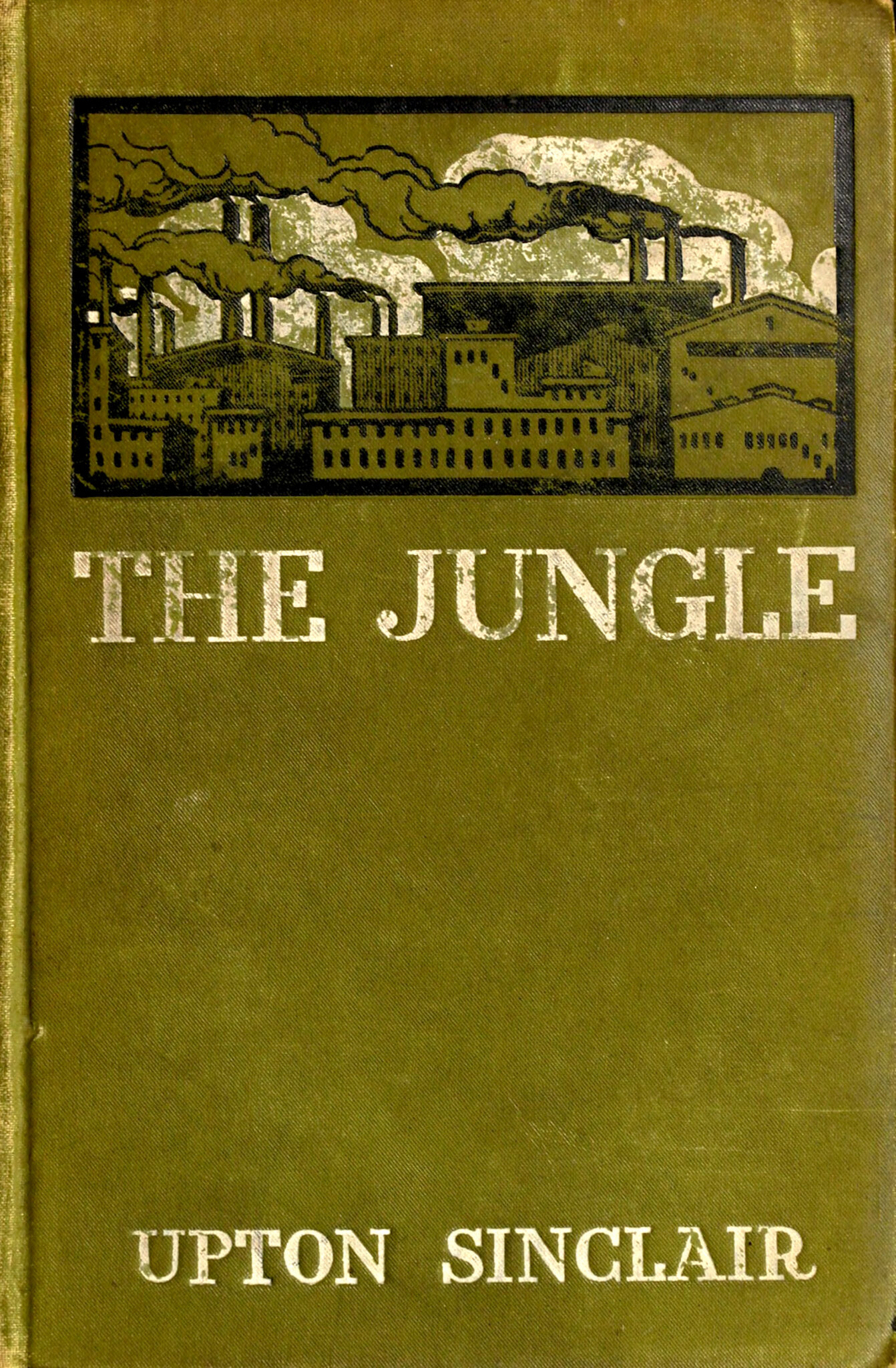
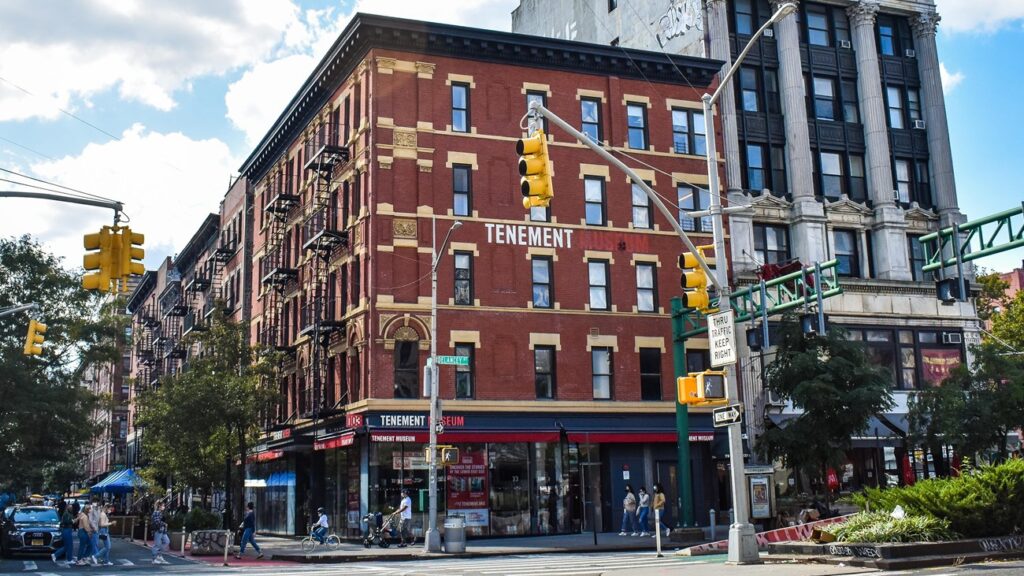
A memory that I have related to the novel The Jungle, by Upton Sinclair was from my 7th grade social studies class, when we were learning about migration. After reading the book, our class visited the Tenement Museum in New York City. In class we studied topics like migration, immigration, history and the process of immigration. At the time in 8th grade, I didn’t know much about my cultural background, but I learned that many immigrants arrived through Ellis Island and that New York City became known as the “Melting Pot.” My experience reading The Jungle connected closely with my visit to the Tenement Museum. I remember touring the different apartments and seeing what life was like for immigrants living in tenement buildings in the late 1800s and early 1900s. After our visit at the Tenement Museum, I was able to connect the tour with what I had read in the novel seeing firsthand the living conditions that was described in the novel.
Classifying My Experience
While reading the story I was feeling a connection, and empathy. Awe is defined as “The feeling admiration or astonishment (wonder) mixed with fear or respect, often inspired by something that seems powerful”. I felt awe when Jurgis was enduring extreme hardships in the Chicago meatpacking industry. I felt and developed a strong sense of respect towards Jurgis. Similarly, I felt empathy for the characters because they all faced immigrant issues. Empathy is defined as “The feeling of understanding another person’s actions. You may not condone the actions or identify with the person, but you accept that their actions weren’t wrong”. Lastly, I felt a connection because I was able to read the stories and tie the experience of the museum together, both reflecting on the experiences. Connection is defined as “Feeling linked or bonded to others in community.”
The Features that Prompted my Experience
In Chapter 4 of The Jungle, Sinclair vividly describes the harsh living conditions that Jurgis endured, similar to those experienced by migrants when first arriving to America. Chapters 2 through 5 express the overcrowding, poor and unsafe conditions similarly to what the immigrants faced coming to America. The feeling of connection for me occurred when I finished reading the book and then travelled to the Tenement Museum. I also can sense a connection of the main character Jurgis in The Jungle, feel what the immigrants experienced coming to a new country. “They would be almost sure to get into a tight place and lose all their money; and there was no end of expense that one could never foresee.” (Sinclair, 1906) Likely, Jurgis and his family felt awe by how minimal their wages were for the amount of work they did. I also felt awe recognizing the minimal wages the immigrants were facing compared to todays wages. Many times the characters recognized the poor working and living conditions. “They felt all was lost; they sat like prisoners summoned to hear the reading of their death warrant. There was nothing more that they can do- they were trapped!” (Sinclair, 1906) The family was working very hard for so very little, and were struggling to survive, just like the working-class immigrants. This quote, combined with the others, made me feel empathetic with the characters in The Jungle as well as the real immigrants who experienced similar struggles when they came to the United States in the early 1900’s.
Determining the Narrative Technologies Prompting My Experience
A narrative technology that has prompted my experience is Irony. There is a similarity between appearance and reality. Sinclair represents the idea of the American Dream and immigrants being able to escape poverty and gain freedom, but in reality that was not always the case. Many immigrants came to America for a better life and still experienced low wages, and unsafe working conditions. Jurgis experienced that in The Jungle as well as real life immigrants coming to America. The contrast is between the appearance and the reality or the migration process to America. ““Little one,” he said, in a low voice, “do not worry—it will not matter to us. We will pay them all somehow. I will work harder.” That was always what Jurgis said. Ona had grown used to it as the solution of all difficulties—“I will work harder!”(Sinclair, 17) After this moment, Jurgis reassures to his wife Ona that he will work hard to pay off the debts. Throughout the novel, Jurgis continues to believe in the American Dream, even though many times that reality is working against it. Similarly in the beginning of the novel when Jurgis and Jonas discuss moving to America, Jurgis pictures his life in America. He feels he will be able to work and be free. “That was a country where, they said, a man might earn three roubles a day; and Jurgis figured what three roubles a day would mean, with prices as they were where he lived, and decided forthwith that he would go to America and marry, and be a rich man in the bargain. In that country, rich or poor, a man was free, it was said; he did not have to go into the army, he did not have to pay out his money to rascally officials, —he might do as he pleased, and count himself as good as any other man.” (Sinclair, 23) Jurgis compares America to his current situation and has high hopes to be free. These quotes fit the narrative technology of irony because Jurgis and his family have great expectations and hopefulness moving to America, and not all went as planned.
References:
The Jungle. (2026, January 22). The Jungle. Retrieved February 1, 2026, from https://en.wikipedia.org/wiki/The_Jungle
Lower east side tenement Museum national historic site (U.S. National Park Service). (2024, May 29). NPS.gov (U.S. National Park Service). https://www.nps.gov/loea/index.htm
Sinclair, U. (1994). The jungle. The Viking Press, INC.