What I Remember
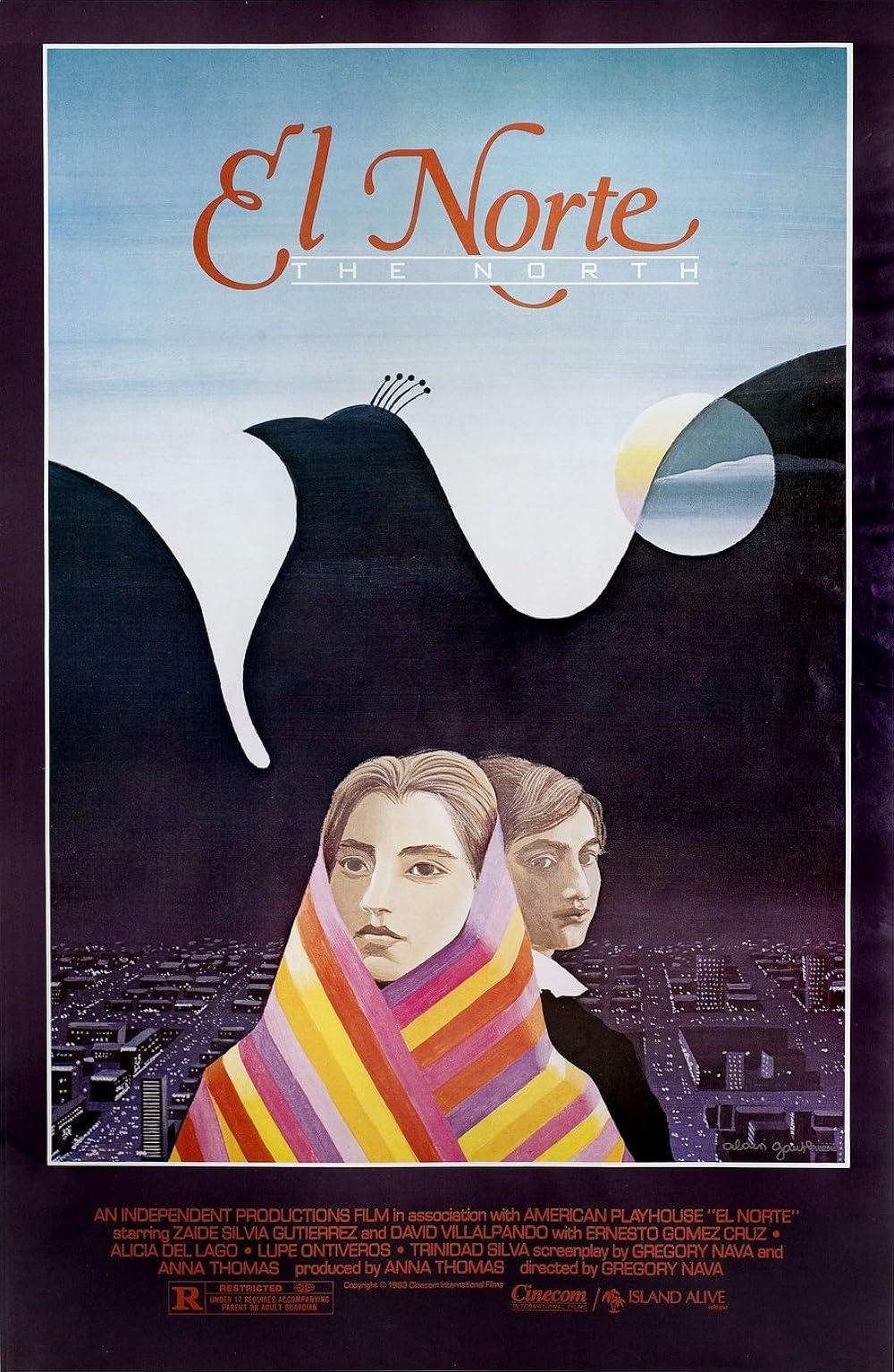
I remember being very young when I saw this movie. I believe I was in middle school, in one of my classes, I can’t remember why exactly we were watching El Norte, all I can remember is its impact on me. When I watched it, it was during Trump’s first administration. I had been very afraid during these times, as my mother and brother were in the middle of their legal process to get their papers. I was afraid they would be deported, that I wouldn’t see them again. This film hit close to home, as people immigrating to a romanticized America. One where all your dreams would come true. Only for migrants to arrive and be met with racism, ridicule, and hardship. Whenever I watch films like this, I remember the story of my parents, aunts, uncles, and cousins. Their journey here, and how hard it was to live in a place completely unknown. This film hits on the topic of the realities of migration. How difficult the adjustment is. I will never forget Enrique’s (the main protagonist) dialogue at the end of the movie, where he describes that the new world was cruel. It was not a place he could call home, as it was far from it. The American dream was no dream but a nightmare. Enrique had gone on a journey to America only to end his life from depression, disappointment, and desperation. Desperation for the end of his misery, here en el norte.
Visualization of an Experience I Have Only Heard and Never Seen
I remember crying, as I could only imagine the pain my family had to endure when they arrived here in the U.S. Not only my family, but the thousands of people who make this country, and their journey. I was confused how people could be so cruel to others. The final scenes of the film have stuck with me throughout my life. As a reminder of how privileged I am to have been born here and have only heard the stories. I am grateful for my family and all they endured for me to be here, in a class that observes their story. However, it also makes me feel some amount of imposter syndrome, as I did not have to work as hard as they did to be here. They are the ones who worked hard to get me here. Though this thought feels heavy on my chest, it allows me to be more motivated to do good. To strive and become a strong more educated person for them.
After Re-Watching
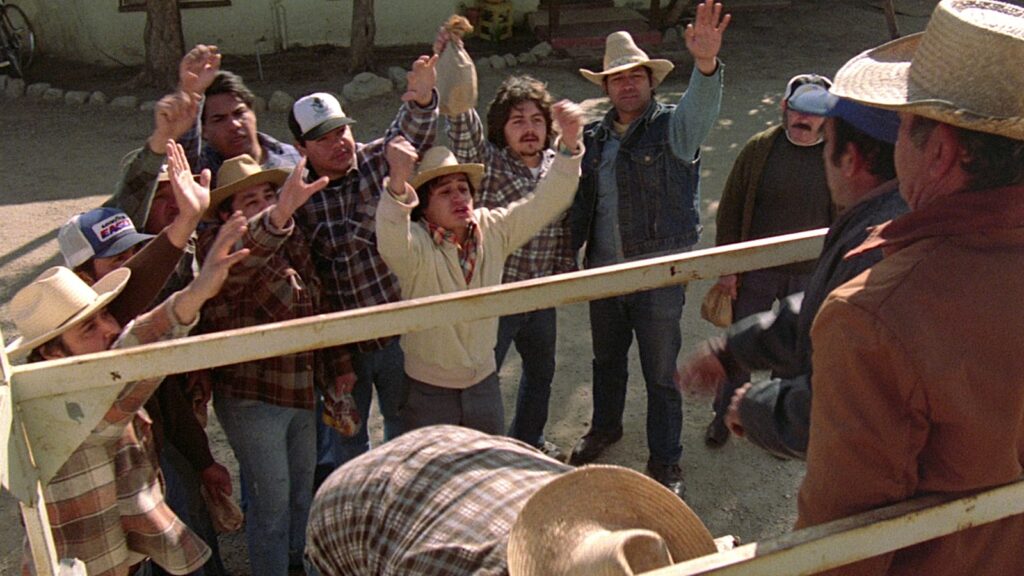
I believe what I was feeling, and still feel, when watching this film is righteousness. I am resentful because not much has changed. Since I first watched the film, up to now. Kids and adults alike dream of America and the great opportunities it holds for them. When the reality of it is that most times, the first generation to get here does not reap the benefits of their struggles. They endure the hardest passage, from which many die before even crossing the border. Those who arrive here must navigate a place where they do not speak the language. A place that is already hard enough to navigate without the racism and ridicule. The first time I watched the movie, I could not stop thinking about my parents and their journey here. I cried and cried. Now rewatching it, I think of all the people, especially the kids, who are living my past nightmare. I can’t stop thinking about the kids and how I felt just a few years ago. I am angry over how hateful people are. About how unfair and cruel the world can be.
Feature Causing My Experience
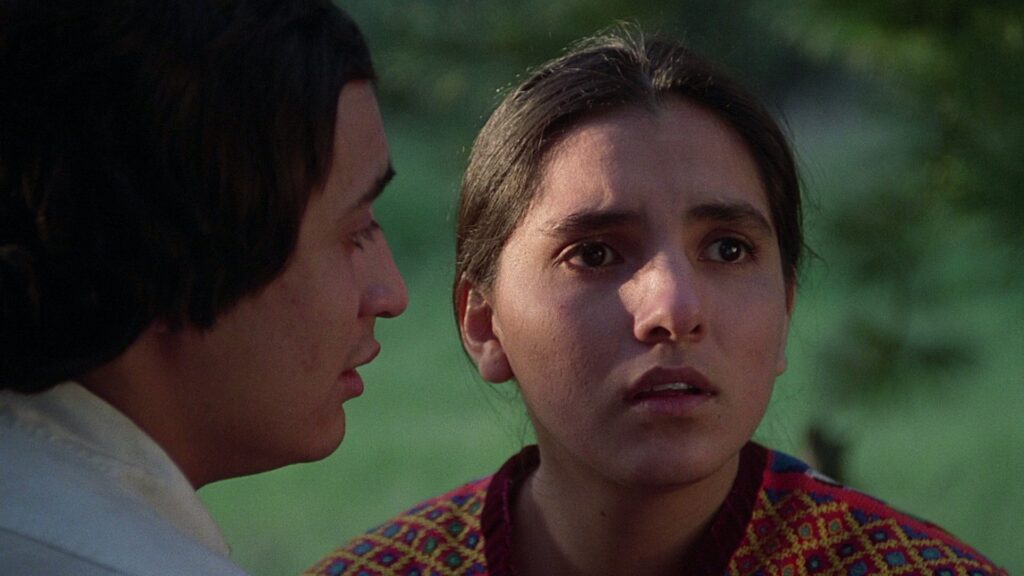
Though there is no direct narrator in El Norte, Enrique, the main protagonist, and his sister Rosa dream of the U.S. A place they were told they could make lots of money, get a car, and a house. When they first arrive, things seem to be working out. They learn English and find jobs. As they continue living in America, finding out it is much more complicated than the stories they had been told. Sure, they are making money, but losing it as fast as it comes in. With rent, groceries, and utilities. People are upset by their presence and call I.C.E on them, causing them to lose a few jobs. Without money, they will not survive in the U.S. It starts to settle in that they, in fact, are not free. They are not accepted. Rosa’s final lines, when translated, are, “In our own land, we have no home. They want to kill us… In Mexico, there is only poverty. We can’t make a home there either. And here in the north, we aren’t accepted. When will we find a home, Enrique? Maybe when we die, we’ll find a home.” She dies as she loses all faith in her dream. Enrique is there by her side, assuring her that they will receive luck and get a lot of money if they don’t lose faith. After Rosa passed, Enrique began to understand that maybe Rosa had been right. After watching the film again, I have learned my memory was incorrect. Enrique does not have a spoken monologue at the end of the film. Instead, the film captures Enrique working after Rosa’s death. No words are spoken. All that the audience can hear are the sounds of shovels working on concrete. We watch Enrique put his shovel down and look around, and we (the audience) are then flashed with the scene of a man’s severed head hanging from a tree. It is heavily suggested at the end of the film that Enrique kills himself, as he succumbs to disappointment.(Severed head featured in image below)
The Technology at Play
I believe the technology at play in this film prompted me to feel righteousness was a conversion narrative, which is described as “when a narrator explains their discovery that they were ignorant of a truth they now see.” The characters depict this as their journey unfolds, believing that America is a place they could one day call home. As many had described it as a place where they could buy a house, a car, and live happily. After arriving, they began to understand that America was simply not as wonderful as they had imagined. They began to see the truth that they had once been too ignorant to see. They had been converted from romanization to cynicism.
Featured Image
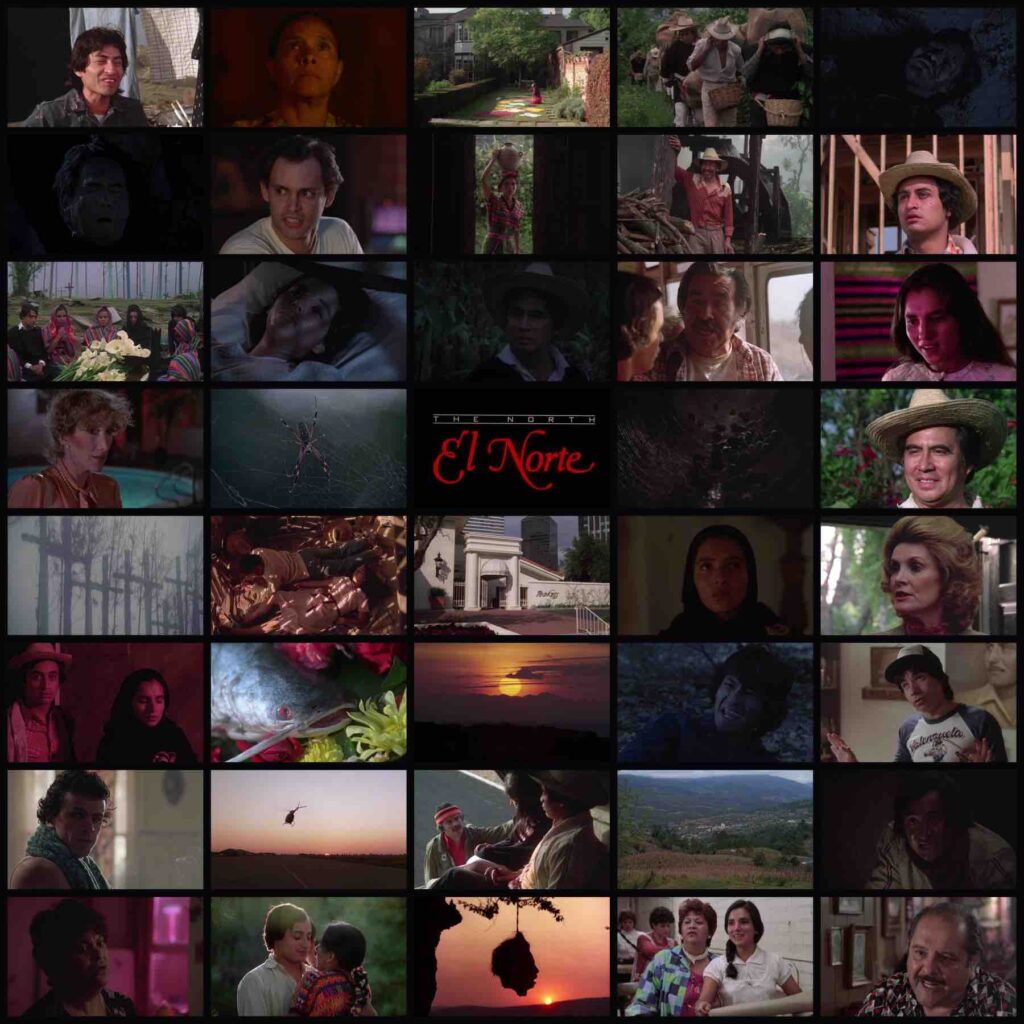
Poster for El Norte. Cinecom International Films. All Rights Reserved.