


2026

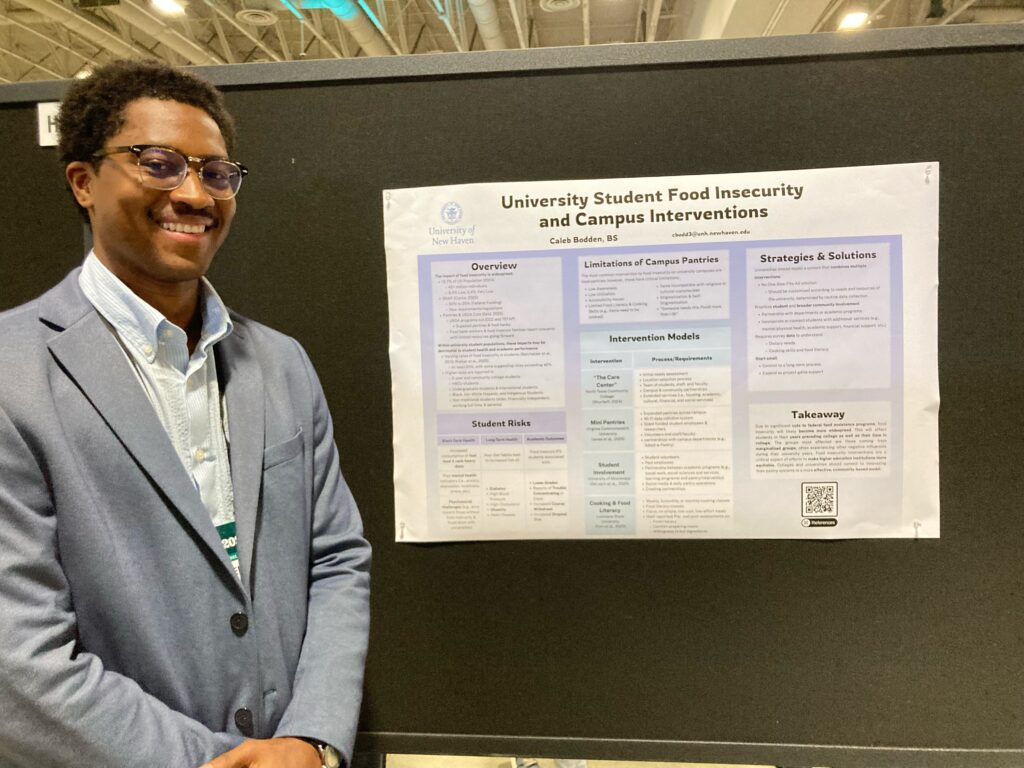
University Student Food Insecurity & Campus Interventions
Caleb Bodden, B.S.
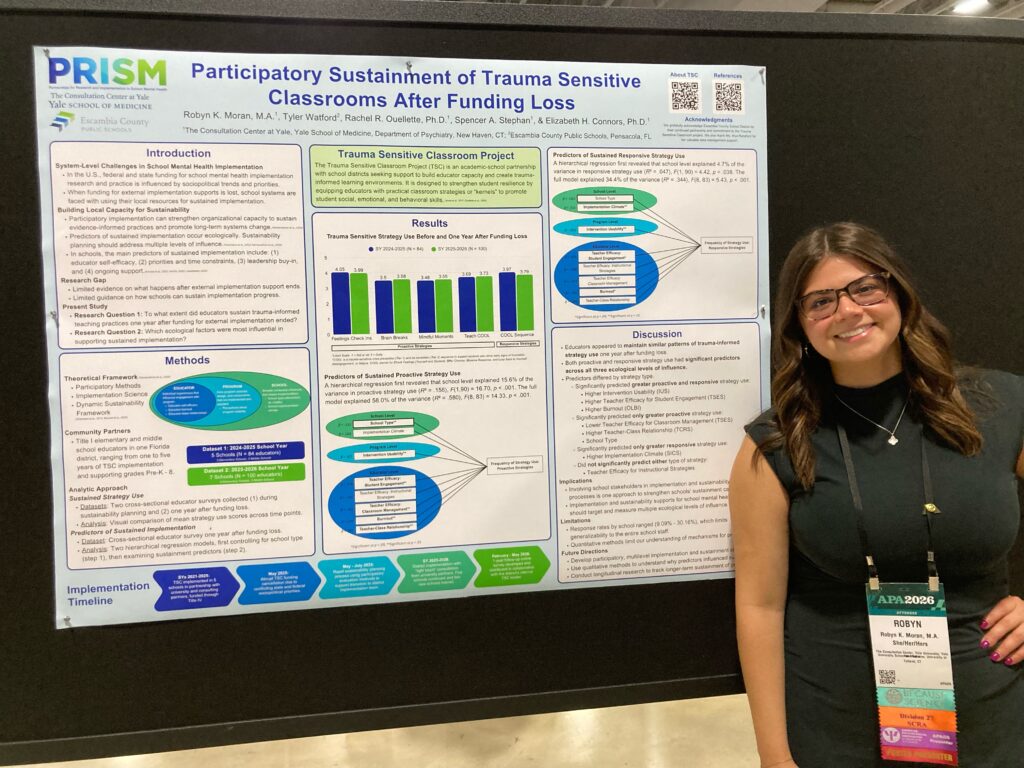
Participatory Sustainment of Trauma Sensitive Classrooms After Funding Loss
Robyn K. Moran, M.A., Tyler Watford, Rachel R. Ouellette, Ph. D., Spencer A. Stephen, & Elizabeth H. Connors, Ph. D.
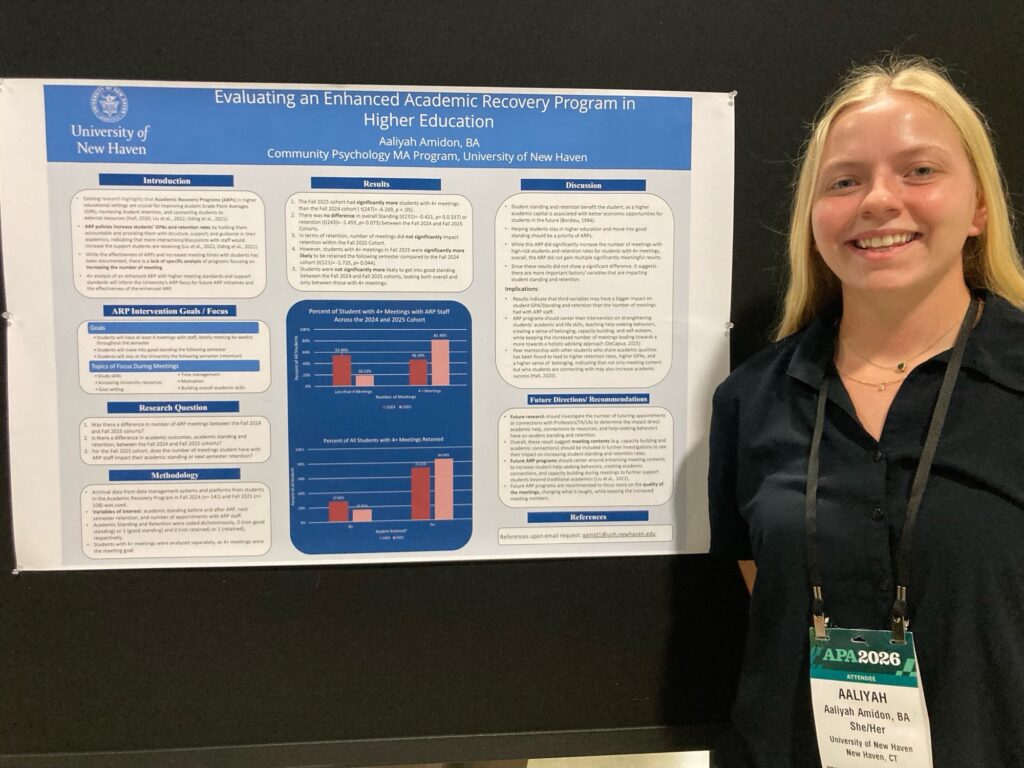
Evaluating an Enhanced Academic Recovery Program in Higher Education
Aaliyah Amidon, B.A.
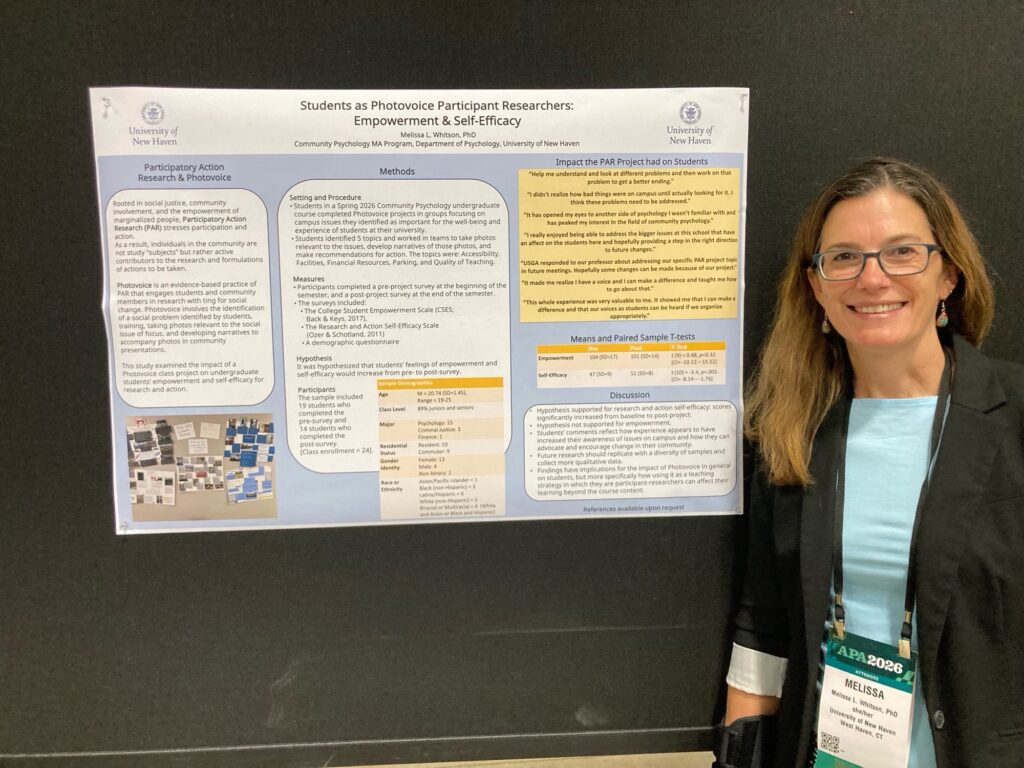
Students as Photovoice Participant Researchers: Empowerment & Self-Efficacy
Melissa L. Whitson, Ph. D.

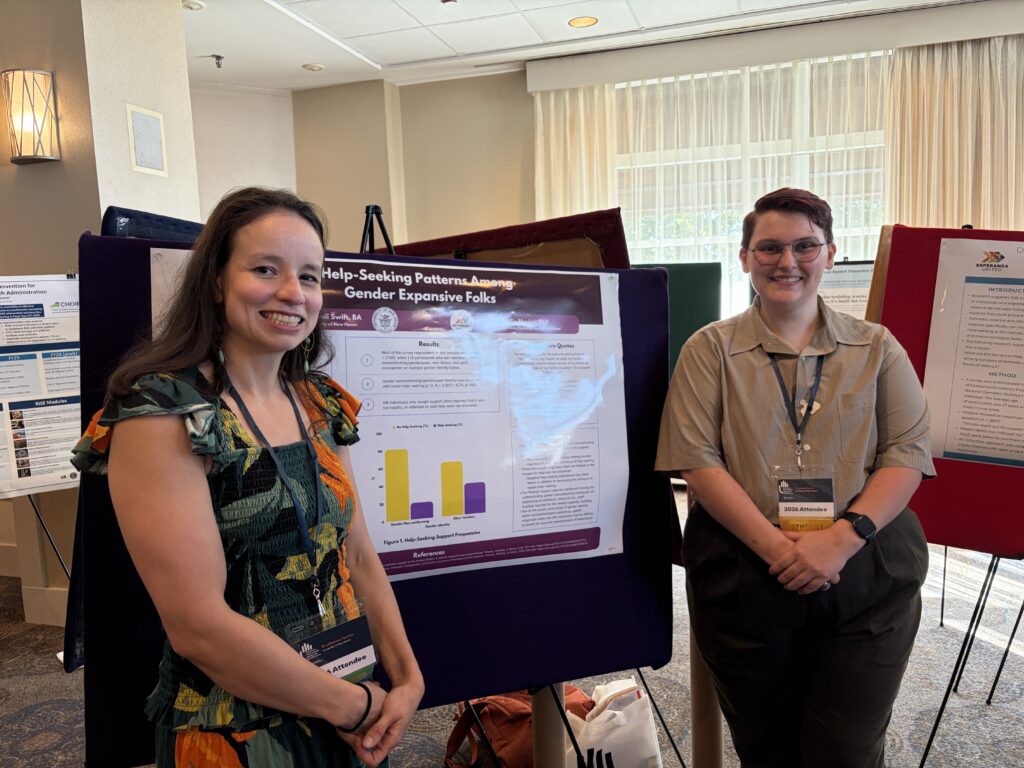
Help-Seeking Patterns Among Gender Expansive Folks
Maxwell Swift, B.A., & Dr. Lillie Macias
Symposium: Community at the Center: Needs and Opportunities in Domestic Violence Advocacy
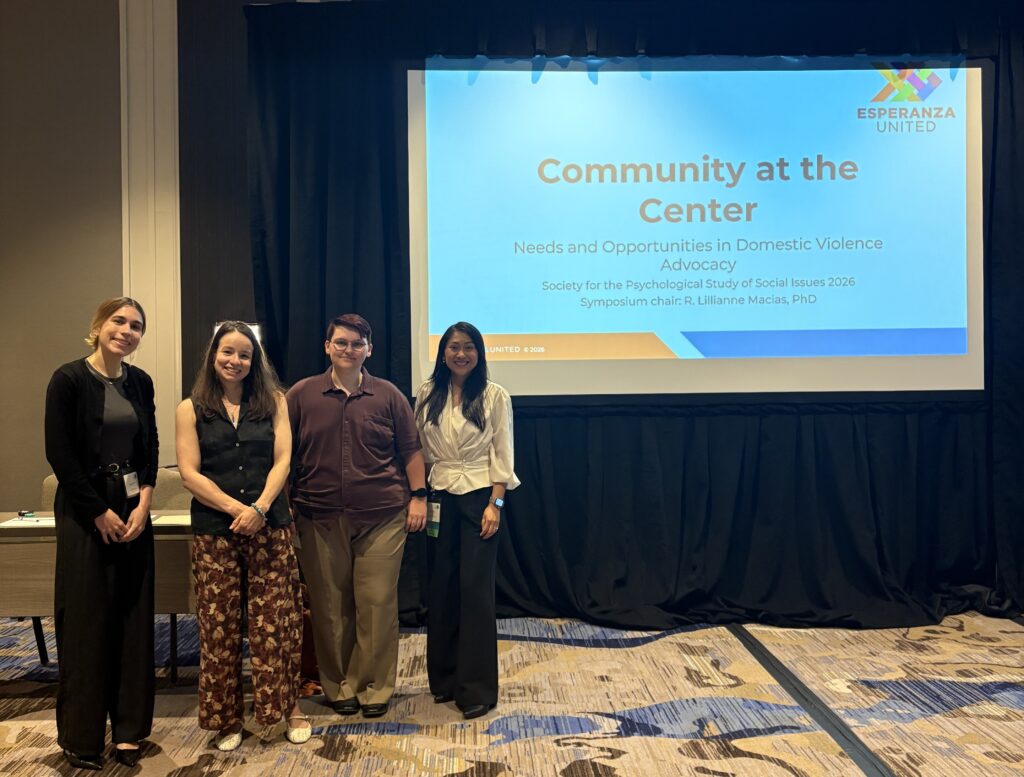
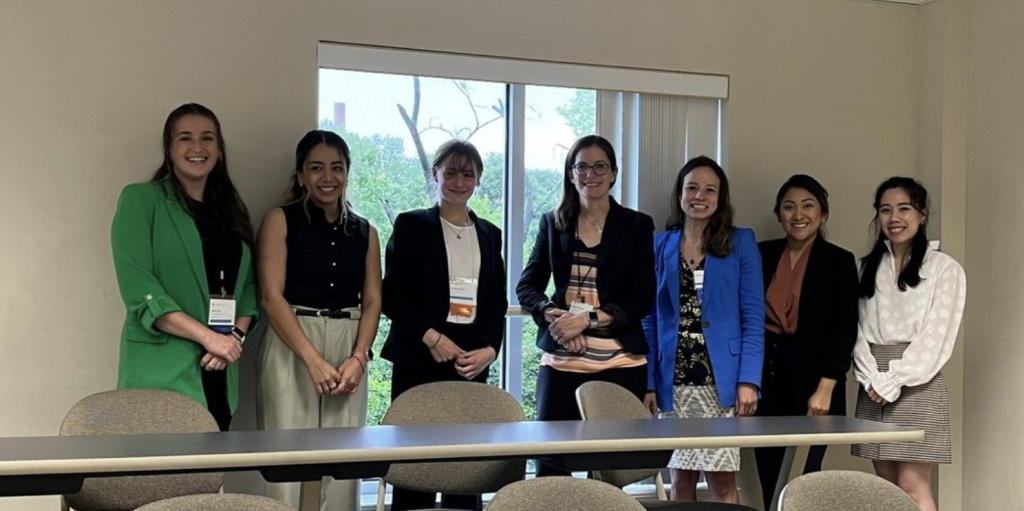
Left to right: Andrea Bonano (MHA Graduate, UNH), Dr. Lillie Macias (UNH Faculty & Esperanza United Director), Maxwell Swift (MACP Student), Nancy Nova (Esperanza United)
Talk 1: A Focus Survey with Survivors of Domestic Violence
Amanda Mele, Calley Lewis, & Chiara Sabina
Talk 2: Survivor Perspectives of Community Responses to Domestic Violence
Maxwell Swift
Talk 3: Building Community Advocacy Capacity: Measuring Needs and Strengths in the Field of Domestic Violence
Nancy Nava, Esperanza United
Talk 4: Promoting Organizational Resilience in Community-Based Domestic Violence Programs
Andrea Bonano, MHA
Culturally Responsive Evaluation of Community-Based Economic Security Programming
Vanesa Mercado Diaz, Nancy Nava, and Jasmin Garcia,
Esperanza United
Dr. Lillianne Macias, University of New Haven
2025
Conference of the Society of Community Research and Action (SCRA) Presentations
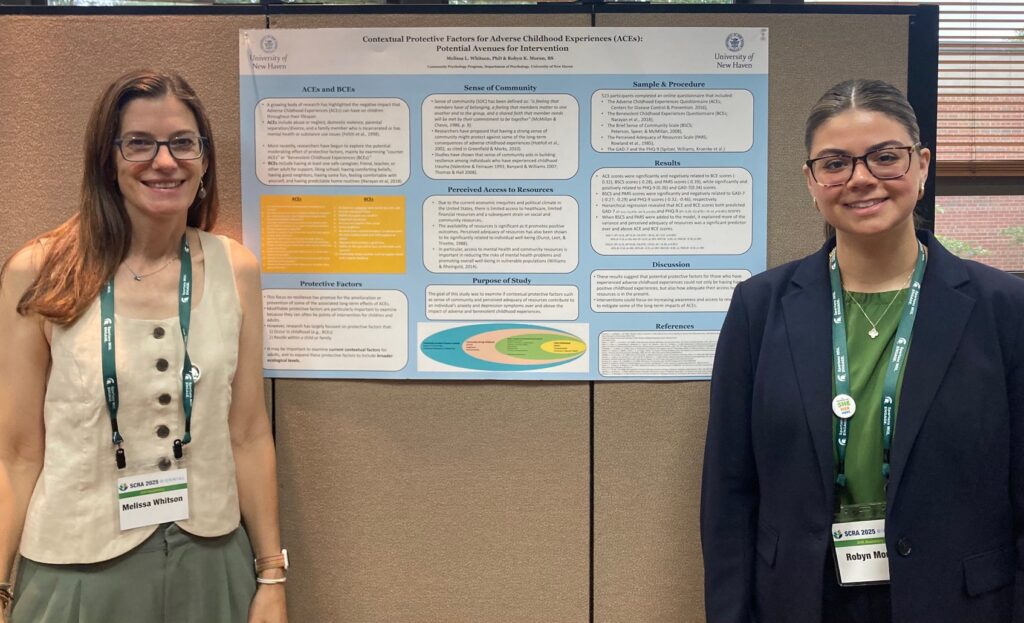
Contextual Protective Factors for Adverse Childhood Experiences (ACEs): Potential Avenues for Intervention
Melissa L. Whitson, PhD & Robyn K. Moran, BS
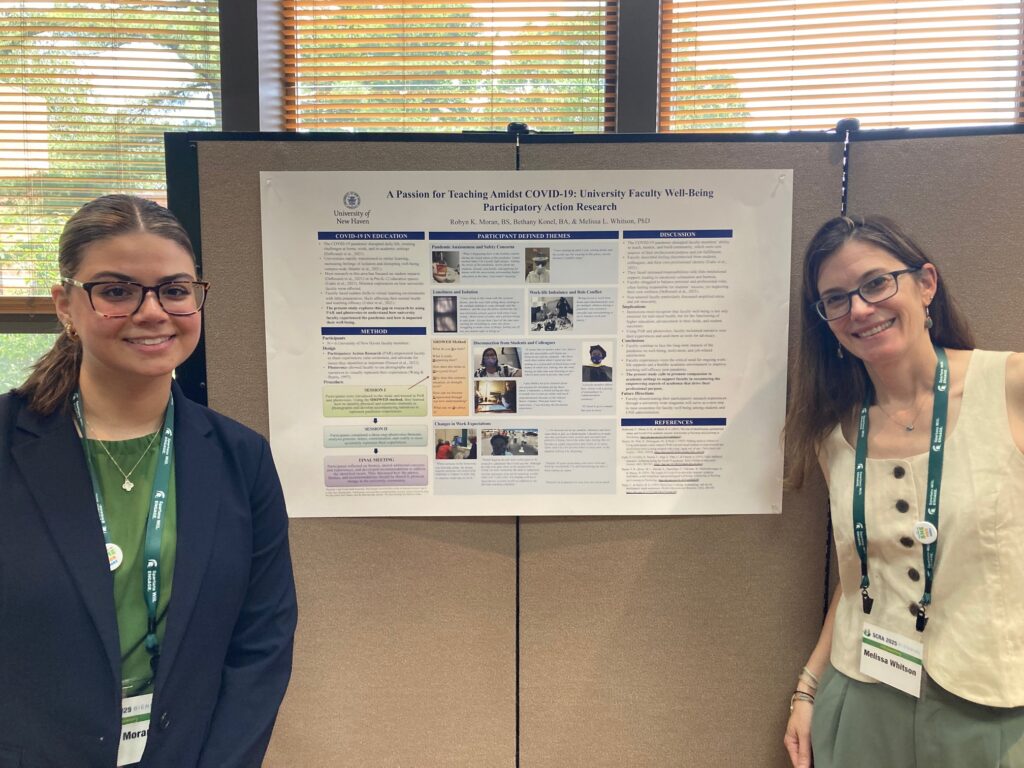
A Passion for Teaching Amidst COVID-19: University Faculty Well-Being Participatory Action Research
Robyn K. Moran, BS, Bethany Konel, BA, & Melissa L. Whitson, PhD
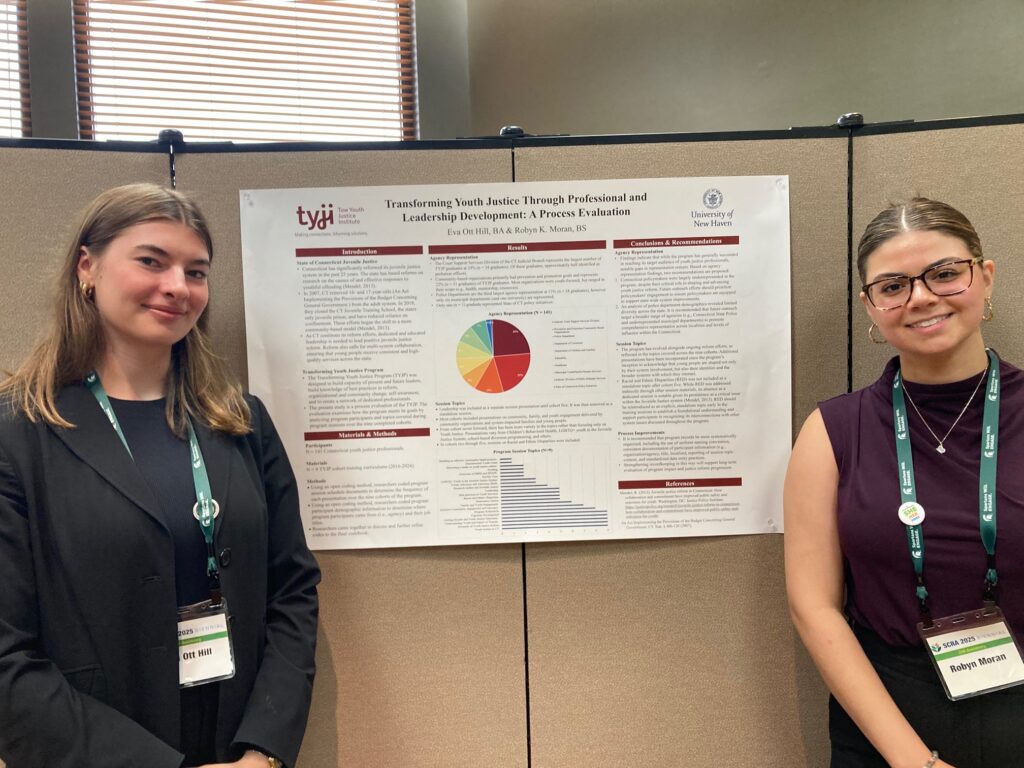
Transforming Youth Justice Through Professional and Leadership Development: A Process Evaluation
Eva Ott Hill, BA & Robyn K. Moran, BS

Eastern Psychological Association Presentations
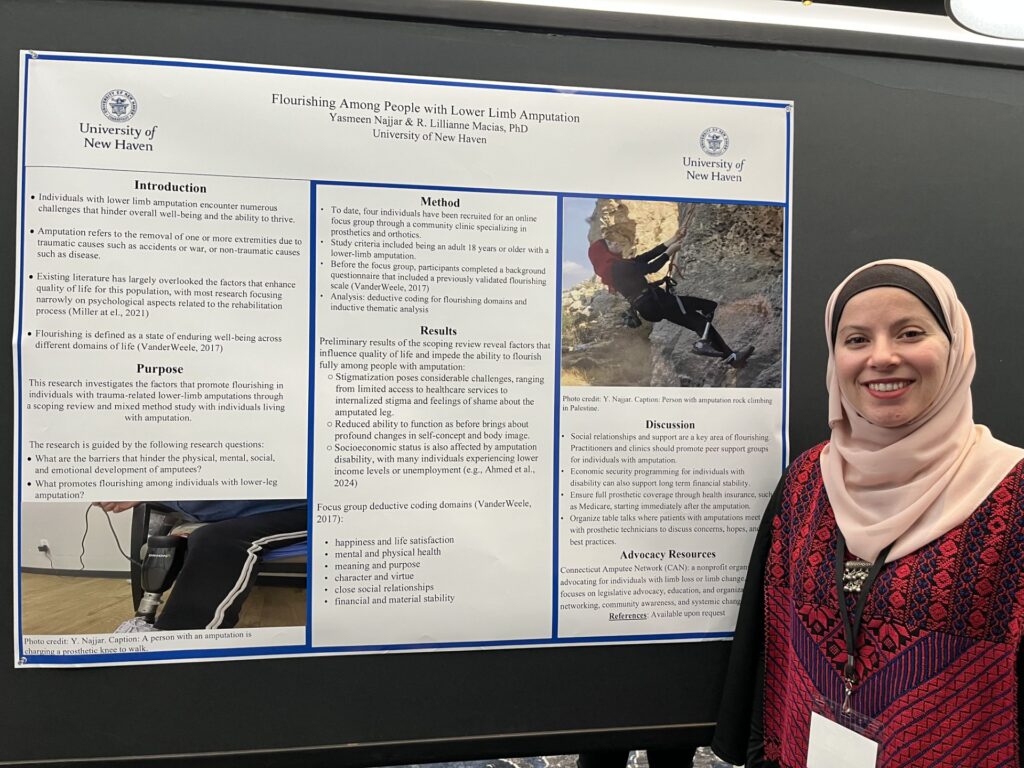
Flourishing Among People with Lower Limb Amputation
Yasmeen Najjar & R. Lillianne Macias, PhD
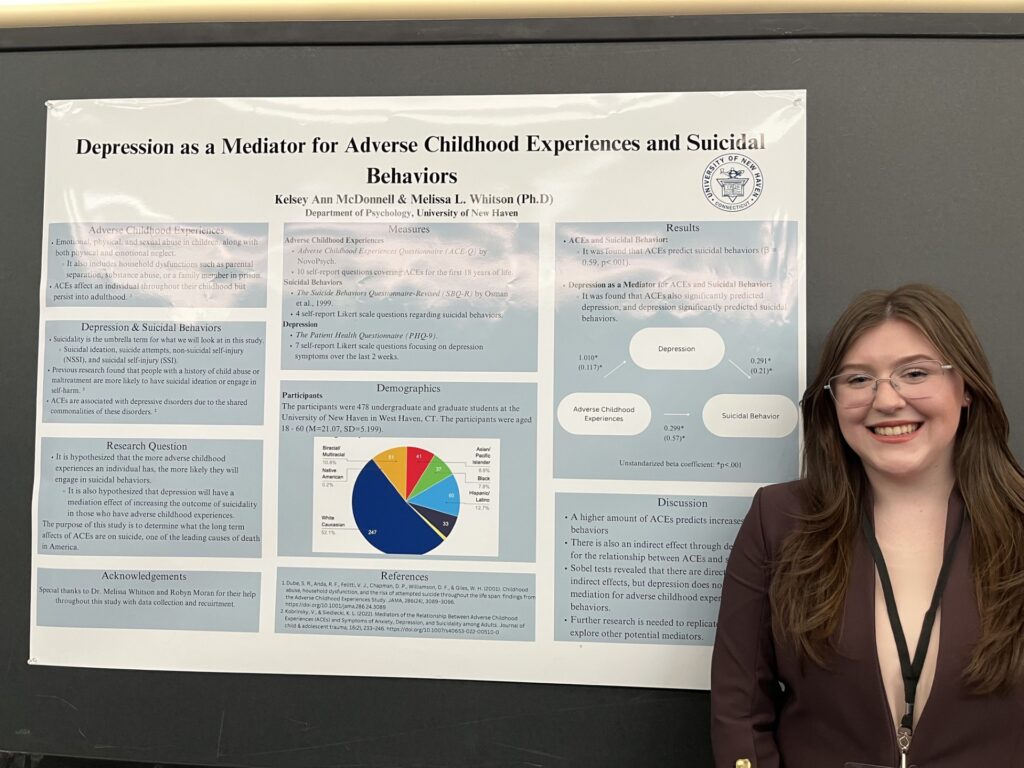
Depression as a Mediator for Adverse Childhood Experiences and Suicidal Behaviors
Kelsey Ann McDonnell & Melissa L. Whitson, PhD
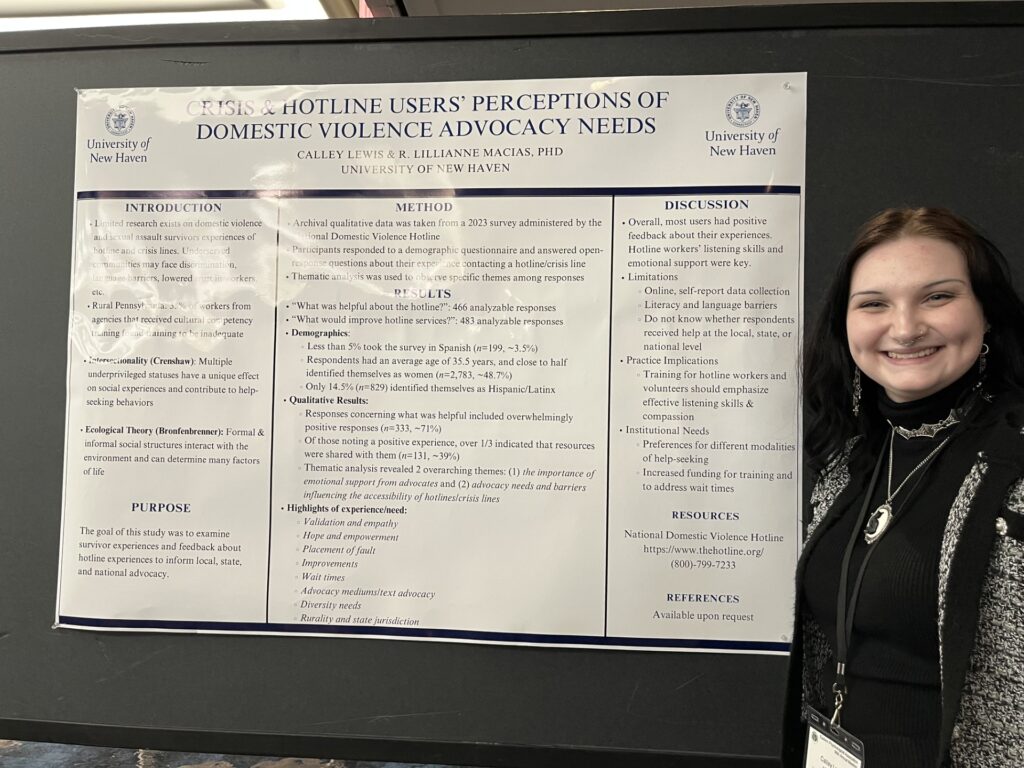
Crisis & Hotline Users’ Perceptions of Domestic Violence Advocacy Needs
Calley Lewis & R. Lillianne Macias, PhD
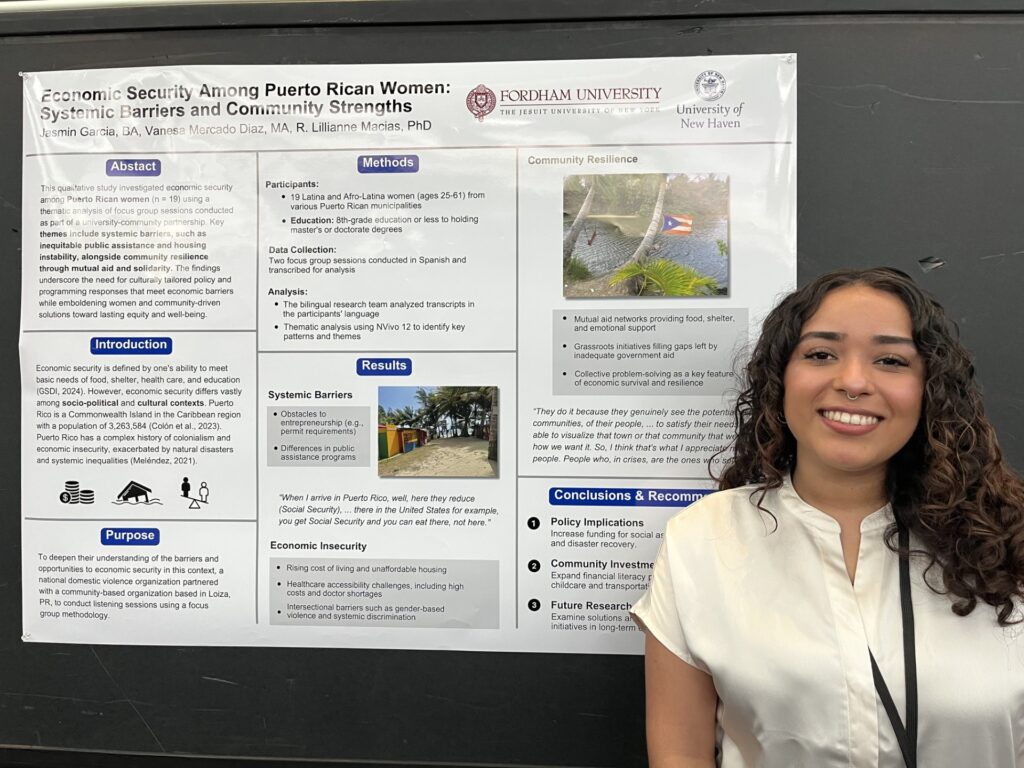
Economic Security Among Puerto Rican Women: Systemic Barriers and Community Strengths
Jasmin Garcia, BA, Vanesa Mercado Diaz, MA, R. Lillianne Macias, PhD
2023
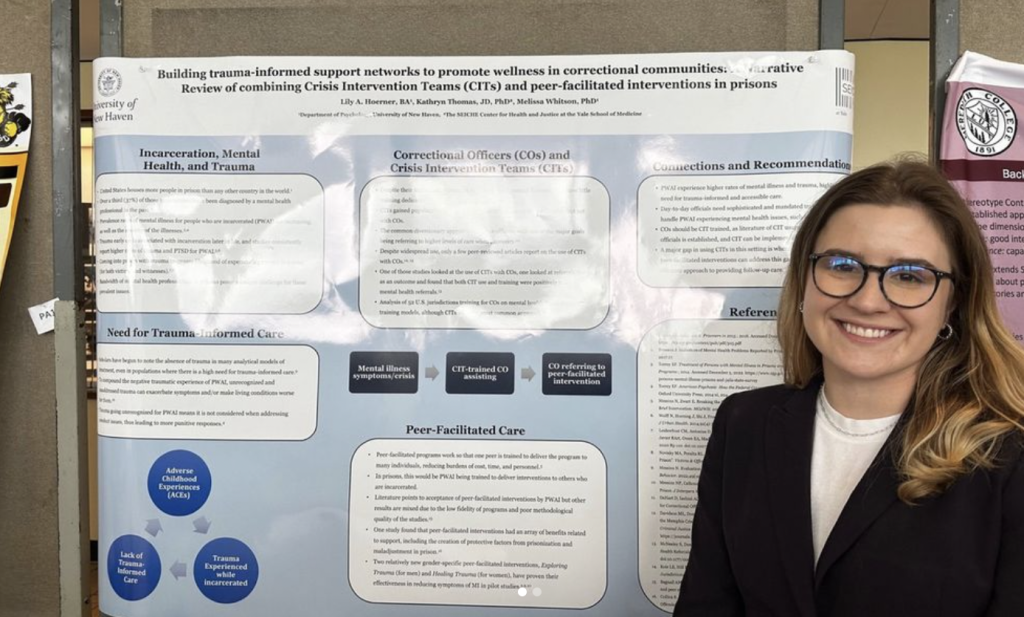
Building trauma-informed support networks to promote wellness in correctional communities: A narrative review of combining Crisis Intervention Teams (CITs) and peer-facilitated Interventions in prisons
Lily Hoerner .
Cultural Considerations for Fatality Reviews and Intimate Partner Homicide Prevention
Krista Grajo (Alumnus) & Dr. Macias
Trauma-Informed Listening Sessions and Photovoice with Marginalized Communities: Applications for Community Practice
Azza Jussein (Alumnus) & Dr. Macias
Fostering Restorative Practice and Programs for Men in the Field of Gender-based Violence
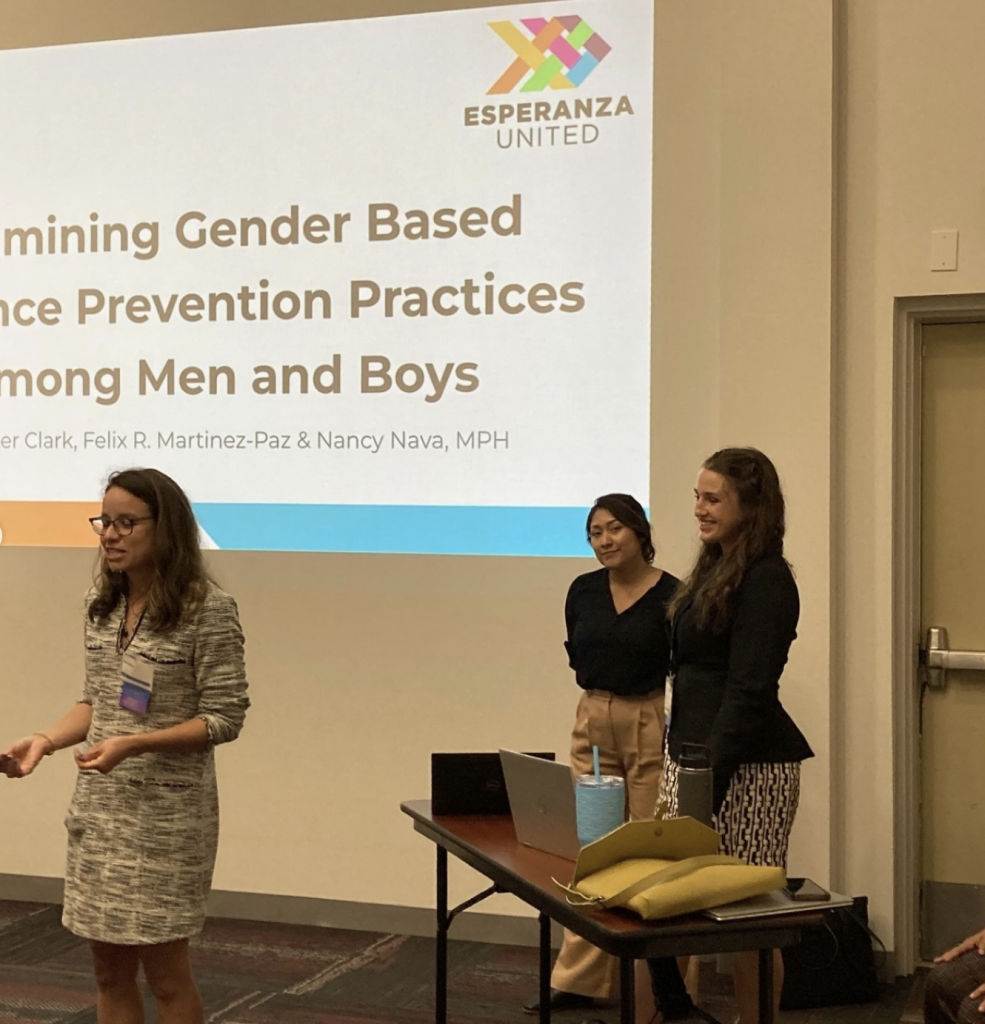
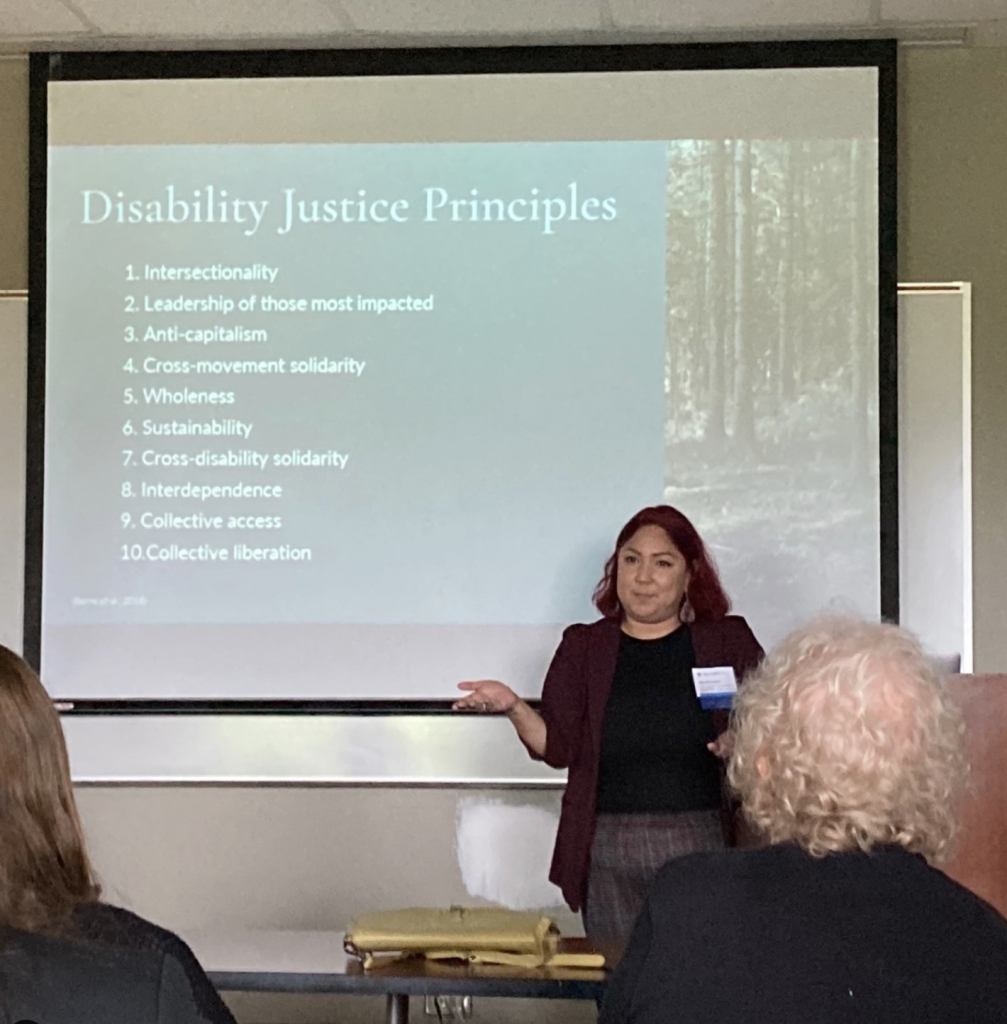
Examining Gender-based Violence through the Lens of Disability Justice
Julia LeFrancois, Dr. Macias, Mary Lippa
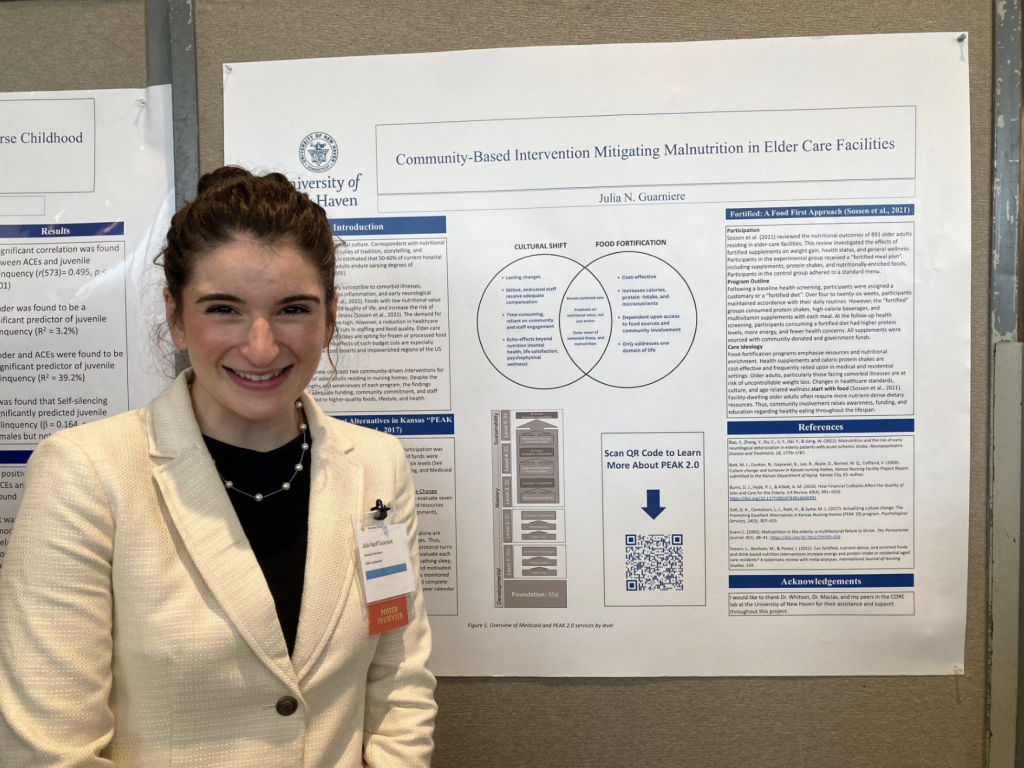
Community-Based Intervention Mitigating Malnutrition in Elder Care Facilities
Julia Guarniere
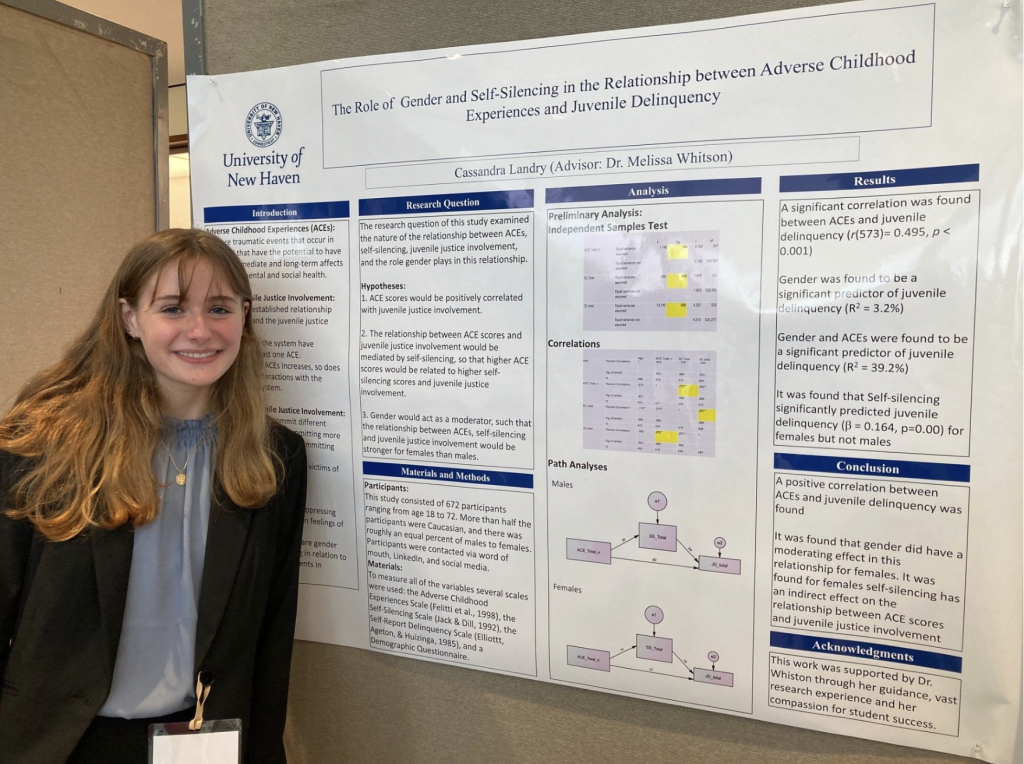
The Role of Gender and Self-Silencing in the Relationship between Adverse Childhood Experiences and Juvenile Delinquency
Cassie Landry
2022
American Evaluation Conference
Leveraging Technology to Center Marginalized Communities in Evaluation Practice
Dr. Lillie Macias, Krista Grajo, Rasheeda O’Connor, Jordyn Beschel, Julia LeFrancois, & Nancy Nava
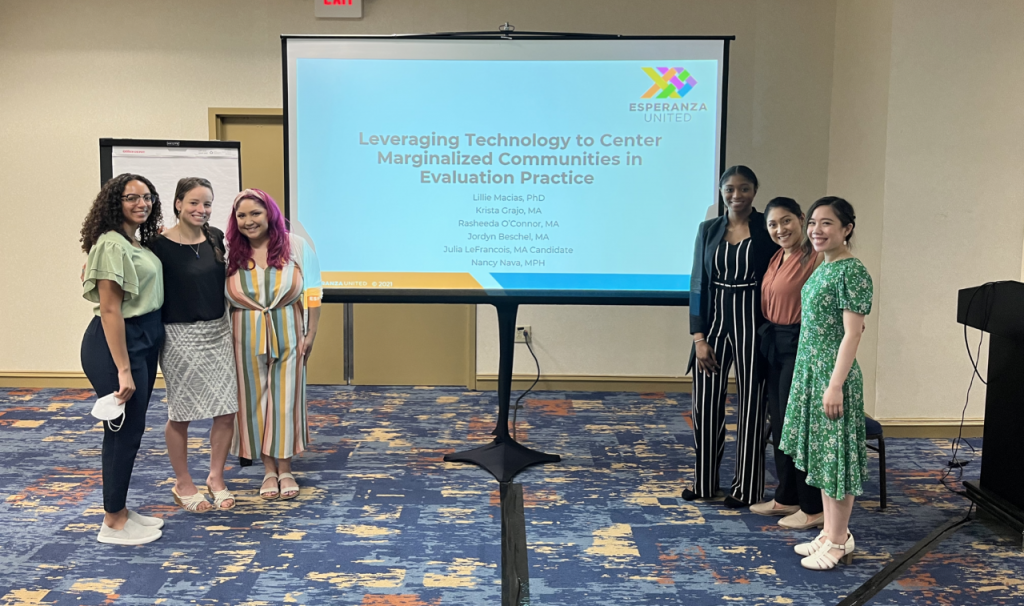
Winter Roundtable
Leveraging Infographics in Research Communication to Address Health Disparities
Rasheeda O’Connor, Krista Grajo, Jordyn Beschel, & Dr. Lillie Macias
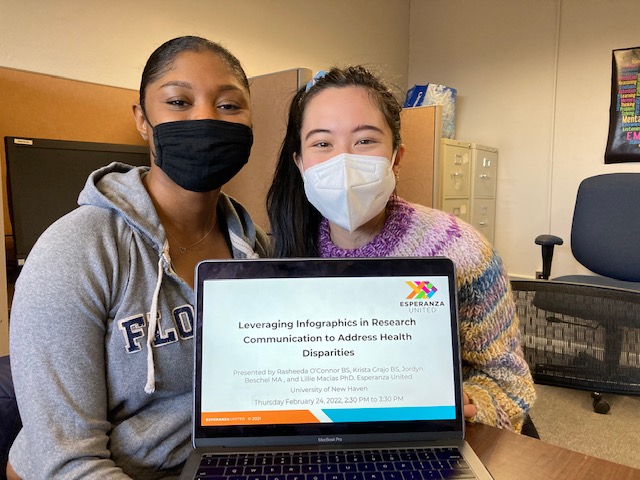
Empowering BIPOC Youth Through a Virtual Photovoice Program
Jordyn Beschel, Krista Grajo, & Dr. Lillie Macias
Storytelling Research as a Liberatory Methodology for BIPOC
Julia LeFrancois & Dr. Melissa Whitson
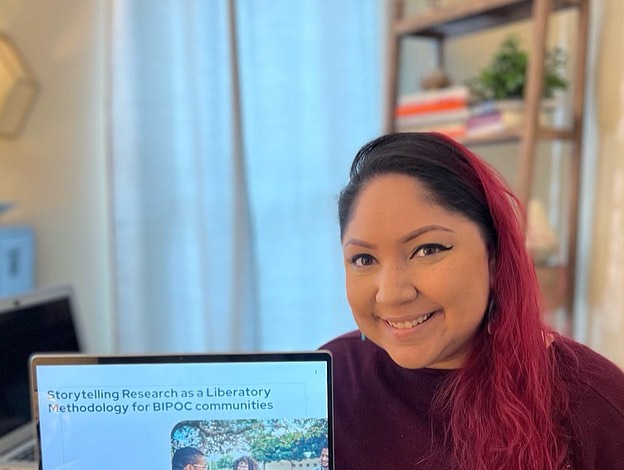
Barriers to Wellbeing and Sources of Resilience among Immigrant Communities
Krista Grajo & Azza Hussein
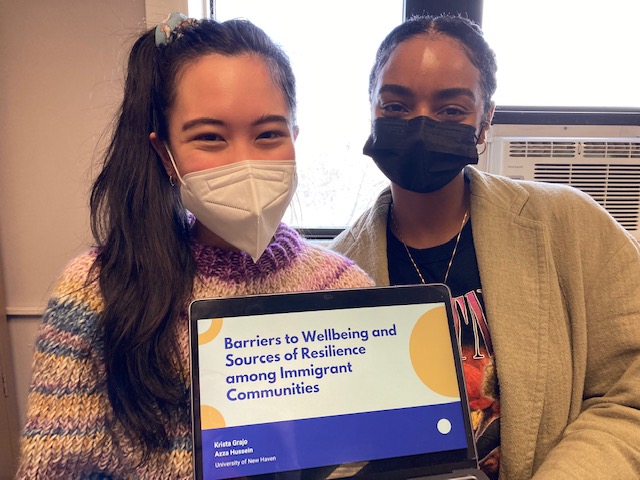
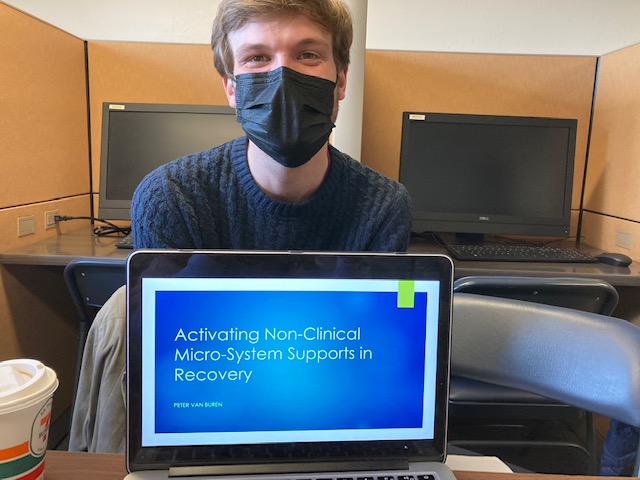
Activating Non-Clinical Micro-system Supports in Recovery
Peter van Buren
2021
ACES: Associations with Substance Use, Coping, and Mental Health Services in College Students
Patrick O’Neil
Individual and Collective Healing Through Trauma-Informed Expressive Arts Therapies
Jordyn Beschel, Krista Grajo, & Rasheeda O’Connor
LGBTQ Youth Suicidality: Trends, Risk Factors, and Impacts of the COVID-19 Pandemic
Rebekah Stafford, Olufunke Benson, & Danielle
Pathways to Peer Victimization: The Impact of Childhood Adversity on Social Relationships
Elizabeth Sloane & Dr. Melissa Whitson
2018
Community-Research Partnerships to Eliminate Domestic Violence in Underserved Communities
No Author Provided
Trauma: The Trauma Model
Carsin Conner, Aida Morales, Rachel Caffey, & Erinn Webb
Music Haven 101: The Benefits of an Afterschool Music Program for Low-Income, Urban Elementary School Students
No Author Provided
Previous Presentations, No Date Specified
Dating Violence Prevention Among Emerging Adults
Marley Herard & Lillie Macias
Among young adults, past experiences with trauma can influence risk, while media exposure can reinforce unhealthy relationship attitudes (Friedlander et al., 2013). The study used a mixed-method, correlational survey design to recruit young adults from across the. United States. A deductive thematic analysis explored media exposure for individuals with healthy vs. unhealthy dating violence attitudes. Even when considering varying levels of adjustment to emerging adulthood, individuals with a history of ACEs may be at heightened risk for dating violence. Findings inform dating violence prevention on college campuses and in community practice with an emphasis on psychoeducation and guidelines for healthy media consumption.
Climate and Social Class: Enriching Collective Action for Sustainable Practices
Gauri D. Birmole and Melissa L. Whitson
Interactive Discussion: Bridging Faculty and Students’ Perspectives on Accessibility and Accommodations
Dr. Melissa Whitson and Amanda Mele
This interactive discussion focused on identifying methods that ensure commitment and collaborative action from stakeholders across ecological levels. Discussion questions included: While promoting alternative resources, how can interventions be mindful of existing inequalities and reduce the burden on the public to adapt? What are some ways
commitment can be ensured from governments and private industries? Based on the varying awareness in communities and industries, how should we approach environmental literacy? Apart from literacy, what other resources can be provided for
adapting to these changes? More focused policies and advocacy initiatives can mediate differences in communication between multiple agents of change, generate strategies for community participation, and secure accountability from crucial decision
makers.
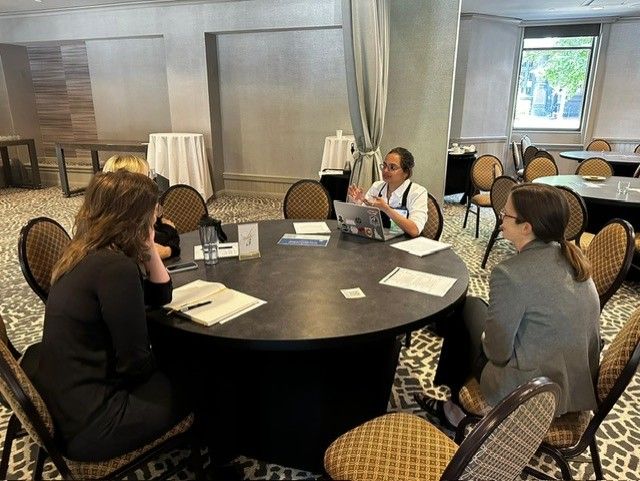
For some faculty, the need to accommodate students has drastically increased their workloads. There is a tension between structure (as part of equitable course design and student engagement) vs. logistical requirements that erect barriers to accessibility. How can we make our courses and programs cognitively challenging while also enacting accommodations and requirements that enhance accessibility (Gannon, 2023)? What types of structural changes are needed?
Complementary Interventions for Trauma and Burnout
Dr. Lillianna Macias & Juliana R. Held
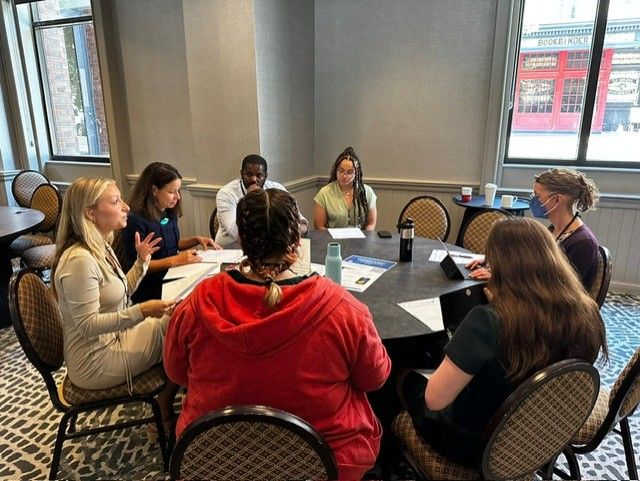
Questions posed during this table discussion included: How can mindfulness and bodywork promote healing and inform training for individuals working with trauma? How can we shift the focus on individual responsibility for self-care to group and organizational culture? Participants will be encouraged to share knowledge of culturally responsive and gender affirming practices for the safety, empowerment, inclusion, and trust of all those participating in mindfulness-based activities and body work (Duane et al., 2019)
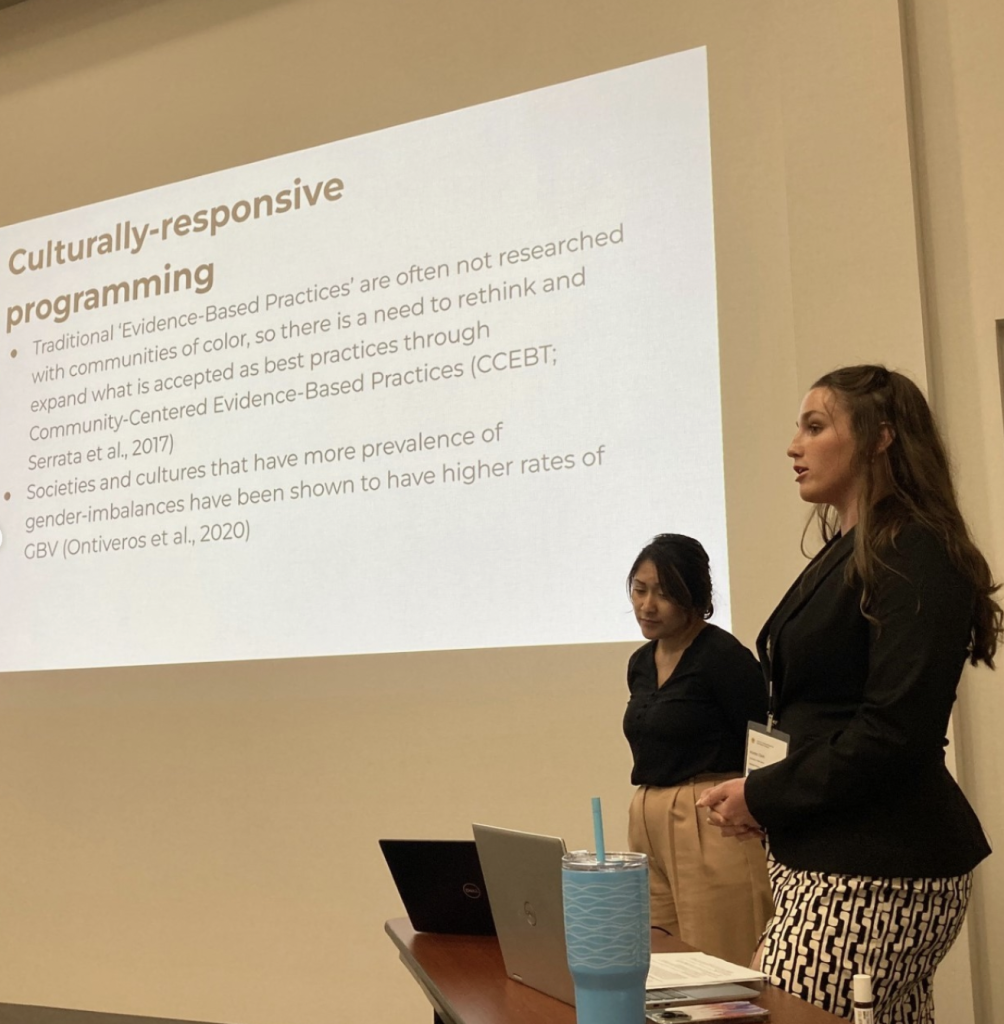
Symposium: Culturally Responsive Gender-Based Violence Research and Prevention Practice
Dr. Lillianne Macias, Jasmin Garcia, Marley Herard, Amanda Mele
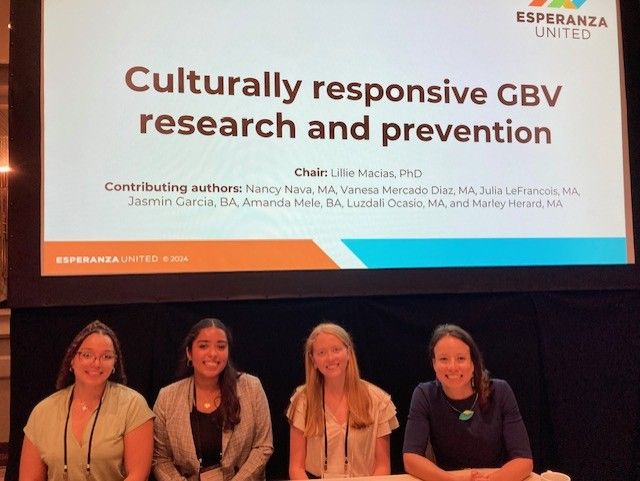
This symposium highlights trauma-informed methods of engaging Latine and other marginalized populations in research and equity-focused prevention practice. Across the four presentations, students and researchers explore considerations for culturally responsive, participatory research methods and training as part of the university community research partnership.
Interactive Discussion: Post-Traumatic Growth After Natural Disasters: the Role of Social Support
Yasmeen Najjar & Kelsey A. McDonnell
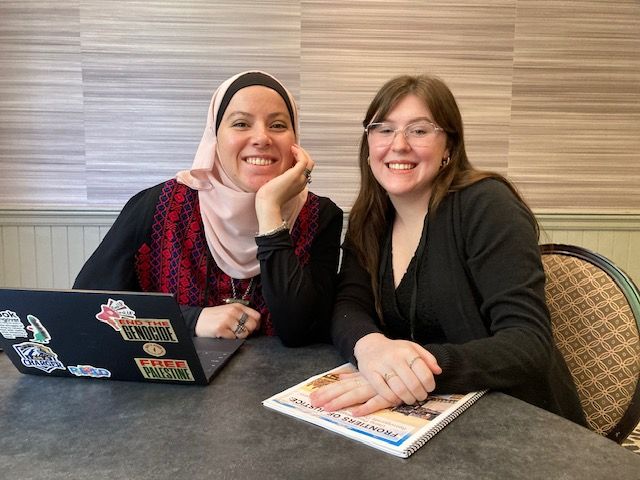
Current students and core lab members guided the following discussion questions: What is the role of the different ecological levels in enhancing social support systems for child victims of natural disasters? What kind of interventions are needed to facilitate post-traumatic growth in children?
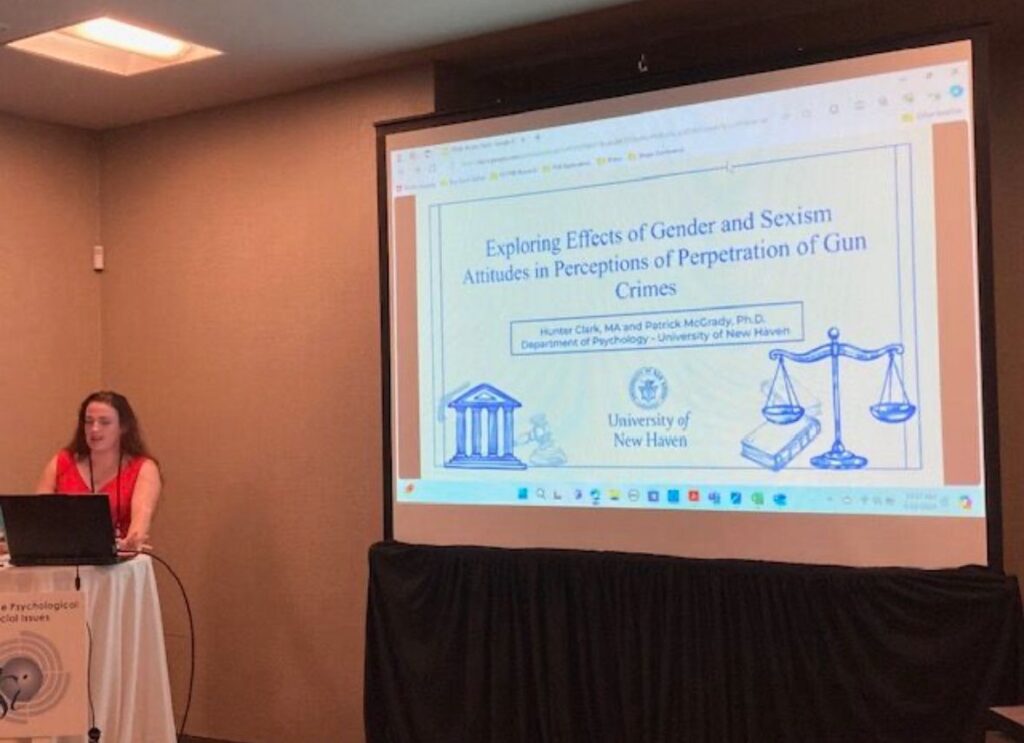
Gender and Sexism Effects on Juror Sentencing of Gun Violence Cases
Hunter Clark & Patrick McGrady
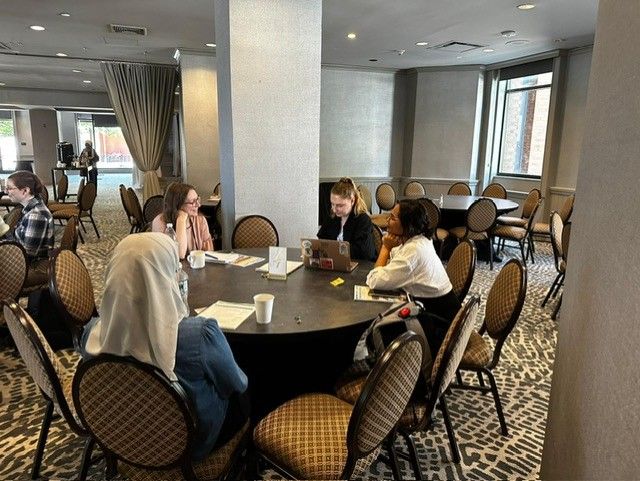
Interactive Discussion: Translating U.S.. Practices for Immigrant Youth Mental Health in Austria
Alberta Sinani and Dr. Melissa L. Whitson
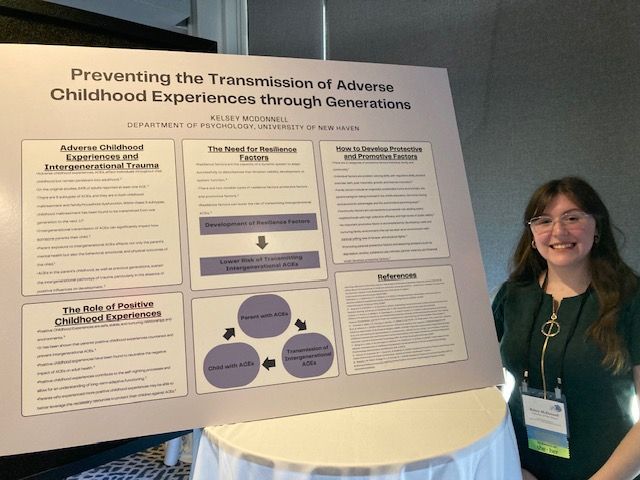
Preventing the Transmission of Adverse Childhood Experiences through Generations
Kelsey A McDonnell
Publications & Presentations not pictured1
Benson, O. M., & Whitson, M. L. (2022). The protective role of sense of community and access to resources on college student stress and Covid-19-Related Daily Life Disruptions. Journal of Community Psychology. https://doi.org/10.1002/jcop.22817
Bissoon, Z., Macias, R. L., Nava, N., & Fix, R. L. (2026). Timing Matters: Maternal Intimate Partner Violence, Parent–Child Relationships, and Adolescent Internalizing in Latine Families. Journal of Interpersonal Violence.
Champine, R. B., Shaker, A. S., Tsitaridis, K. A., Whitson, M. L., Kaufman, J. S. (2019). Service-related barriers and facilitators in an early childhood system of care: Comparing the perspectives of parents and providers. Community Mental Health Journal, 55(6), 943-953.
Garza, A. D., Macias, R. L., Diaz, V. M., O’Connor, R., Nava, N., & Guadalupe-Diaz, X. L. (2024). Help-seeking barriers for Latinx victims of intimate partner homicide: Insight from survivors, advocates, and community practitioners. Homicide Studies, 28(3), 360-382.
LeFrancois, J., Macias, R. L., & Serrata, J. V. (2025). Sage research methods: Data and research literacy.
LeFrancois, J., Macias, R. L., & Serrata, J. V. (2025). How to use the community-centered evidence-based practice (CCEBP) model.
Macias, R. L. (2026, July 13). Intimate partner violence among Latinas: Prevalence and recommendations from community-based advocates [Conference presentation]. In C. Sabina (Chair), The continuum of victimization and resilience: National findings from the LAT-VIDA study on U.S. Latinas (Symposium). Violence Prevention Conference, Portsmouth, NH, United States.
Macias, R. L., Garza, A. D.,Grajo, K., Nava, N., Guzman-Jimenez, T., & Guadalupe-Diaz, X. L. (2024). Intimate partner homicide prevention among Latinas: A qualitative study of risk and protective factors. Homicide Studies, 28(3), 341-359.
Macias, R.L., LeBron, A., Taylor, K, & Silva, M. (2020). Después de la Tormenta: Collective trauma and community response following hurricane Maria. Journal of Community
Macias, R. L., Nava, N., Delgadillo, D., Beschel, J., & Kuperminc, G. (2022). Finding voice in a year of collective trauma: findings from a national photovoice project. American Journal of Community Psychology. https://doi.org/10.1002/ajcp.12630
Macias, R. L., Nava, N., Delgadillo, D., Beschel, J., & Kuperminc, G. (2023). Finding voice in a year of collective trauma: Case study of an online photovoice with youth. American Journal of Community Psychology, 71(1-2), 114-122.
Macias, R.L., Nava, N., Mora-Ozuna, C., Salamanca, N. K., Lippy, C., Rodriguez, R., & Serrata, J. (2025). Honoring the contributions of community psychologist Julia Perilla to the field of domestic violence. Women & Therapy, 48(3), 317-328.
Whitson, M. L., Moran, R. K., & McDonnell, K. A. (2026). Contextual protective factors for adverse childhood experiences (ACEs): potential avenues for intervention. Journal of Prevention & Intervention in the Community, 1–12. https://doi.org/10.1080/10852352.2026.2668141
Whitson, M.L., Robinson, S., Van Valkenburg, K., & Jackson, M. (2019). Music Haven: Evaluation of an afterschool music program serving low-income urban youth. Journal of Community Psychology, 48(2), 426-436.
Whitson, M.L. Students as Photovoice Participant Researchers: Empowerment & Self-Efficacy. Poster presented at the American Psychological Association Annual Convention (August 2026, Washington, DC).
Whitson, M.L. Participatory Action Research (PAR) in Undergraduate and Graduate Classes. Presentation at Lilly Teaching Conferences, ILTC (August 2025)
Whitson, M.L. & Moran, R.K. Contextual Protective Factors for Adverse Childhood Experiences (ACEs): Potential Avenues for Intervention. Poster presented at the Society for Community Research & Action Biennial Conference (June 2025). **Student presented
Whitson, M.L., Ott Hill, E. & Moran, R.K. Teaching Community Impact through Participatory Action Research. Symposium presented at the Society for Community Research & Action Biennial Conference (June 2025). **Students presented
Whitson, M.L., Konel, B., & Moran, R.K. A Passion for Teaching Amidst COVID-19: University Faculty Well-Being Participatory Action Research. Poster presented at the Society for Community Research & Action Biennial Conference (June 2025). ** Students presented
- Bolded names indicated faculty or current/former students ↩︎
