Before taking this class, my relationship with Wikipedia was complicated and, admittedly, a bit contradictory. I used it often for quick information on random topics, yet I never fully trusted it as a legitimate source, especially in academia. I had internalized the message repeated throughout my academic life: “Wikipedia is NOT a trusted source”. Because of that belief, I treated it more like a starting point. If I ever needed to cite information, I would dig through the references at the bottom of a Wikipedia page and cite those sources instead, almost as if I were trying to distance myself from Wikipedia while still benefiting from it. Going into this editing experience, I carried that skepticism with me.
However, engaging directly with Wikipedia as an editor actually reshaped my perspective. One of the most impactful realizations I had was that while Wikipedia is open to public editing, it is far from unregulated. I learned that misinformation, vandalism, trolling, and poorly sourced claims are actively monitored and often removed quickly. There is a strong culture of accountability within the Wikipedia community, and many editors are committed to maintaining accuracy and quality. This challenged my assumption that Wikipedia was essentially a digital anarchy where unreliable information could live unchecked.
The moment that solidified this shift in thinking came not from my own editing, but from a classmate’s experience. When Shola shared her story about editing the pumpkin pie article and getting pulled into an edit war, it made Wikipedia feel much more human to me. The disagreement over what constituted admission into the Grand Pumpkin Pie Page reminded me of debates I’ve seen on platforms like Reddit or Twitter. That comparison was eye-opening. On one hand, it highlighted that Wikipedia is a social space with conflict, personalities, and differing opinions…On the other hand, it showed that these conflicts are often rooted in a shared goal, which is to protect the quality and credibility of the information that’s presented. Even when disagreements arise, they are usually guided by standards rather than pure opinion.
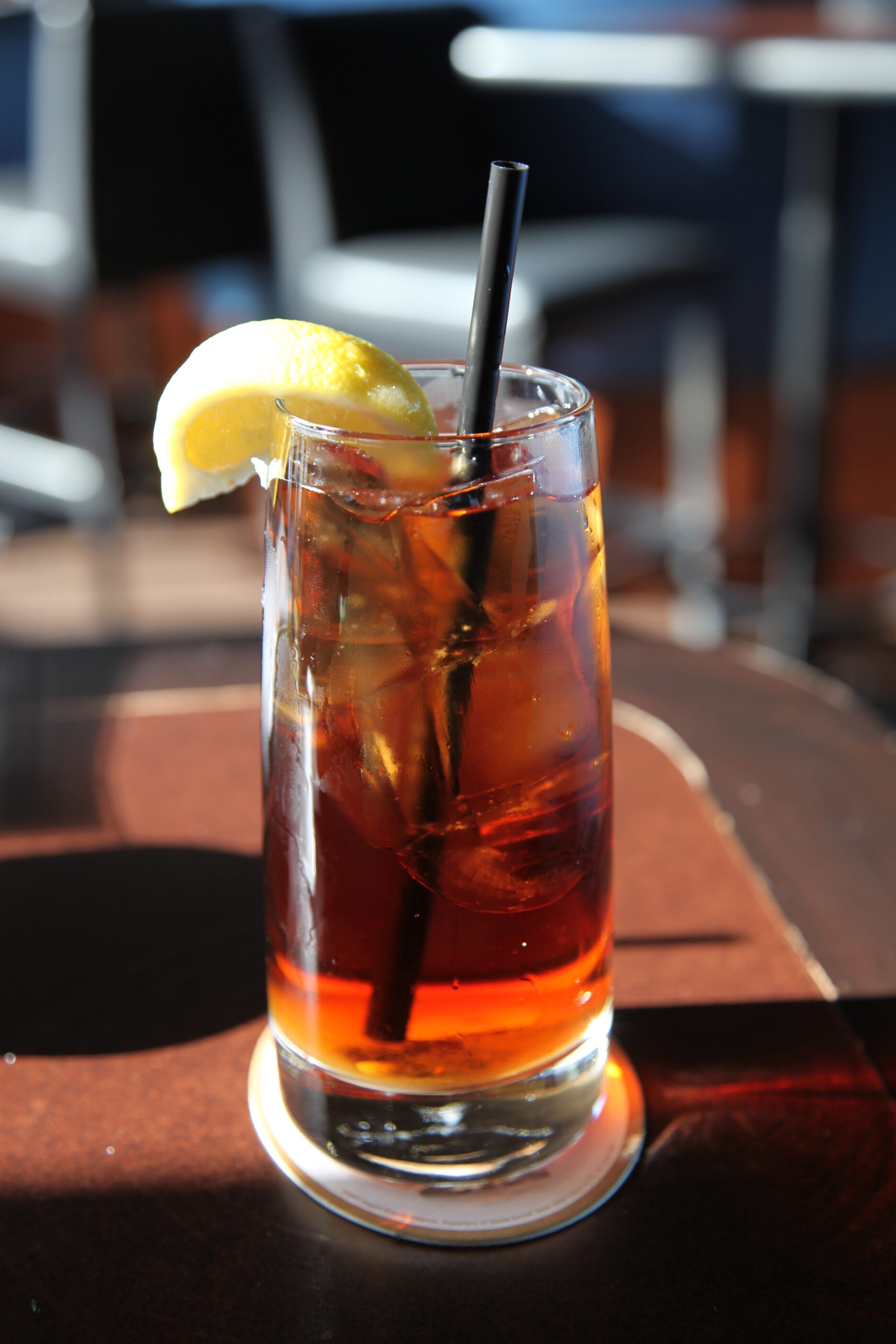
My own editing experience was much calmer by comparison. I chose to work on a relatively dormant article about sweet tea, which resulted in a generally neutral experience overall. In fact, I discovered that my edit was (If I’m reading the History tab correctly) the first one accepted since May. That detail alone stood out to me, it showed that not every Wikipedia page is constantly being fought over or heavily monitored. Some topics simply sit quietly, waiting for someone to care enough to improve them. It’s weird that pumpkin pie is such a hot topic nowadays. Knowing that my contribution was accepted and not immediately challenged gave me a sense of legitimacy as an editor, too.
This experience helped me see Wikipedia less as a questionable resource and more as a collaborative knowledge project. It is not perfect, and it never will be, but it is far more reliable than I once believed. The transparency of edit histories, discussion pages, and citations adds layers of credibility that I had previously overlooked as a casual reader. Ultimately, this experience made me want others to reconsider how they view Wikipedia. While it is still important to evaluate sources carefully, Wikipedia should not be immediately dismissed simply because it is crowdsourced. There is real value in exploring and contributing to it!
Featured Image
Melissa Doroquez, CC BY-SA 2.0 https://creativecommons.org/licenses/by-sa/2.0, via Wikimedia Commons