Forensic Psychology: The brain is connected to the whole body. It controls our actions, our thoughts, and our behavior. The brain comes up with unique ways a person acts. The way it influences our responses to the world has always fascinated me. Hence one of my favorite interests is Psychology. Why do we think the way we do? Why do we act the way we do? These are some of the questions I keep asking myself. The part of Psychology I am most interested in is Forensic Psychology. It combines psychology and the law system. It’s interesting to understand why people commit crimes, why they feel the need to, and how they try to get away with it. The idea of using psychological knowledge to solve crimes, assess guilt, or even understand the psychological makeup of criminals is something I want to do with the rest of my life. What made me love and become so interested in Forensic Psychology is growing up and watching numerous documentaries with my sister and father. Watching all of these documentaries put this interest into my head. Whenever I watched these documentaries, I kept thinking of one question “What went wrong with this person’s life that rewired their brains and minds to think about and eventually commit these heinous crimes”. One documentary that I recently watched was called “Cold Case, The Tylenol Murders”. In this documentary, it focused on the deaths in Chicago in the 1980s revolving around Tylenol. Someone at the time was lacing Tylenol with Cyanide. The people who took these pills, unaware of the bottle tampering, passed away. This documentary deepened my interests because I thought to myself, why on earth would anyone think about lacing Tylenol pills? People were taking Tylenol to feel better but they experienced something so much worse. With learning about this, I wanted to figure out why. I wanted to figure out the answers to my recurring questions and deepen my understanding of psychology . While visiting colleges I decided I wanted to pursue Forensic Psychology as my major. I hope to explore the connections between the human mind and criminal behavior. To ultimately, help to uncover psychological motives and forces that shape crimes and help to prevent more in the future.
Music: Music is something I listen to everyday. Ranging from artists such as Oasis to Bob Dylan to Taylor Swift. When I was younger, I didn’t really pay attention to the music I was listening to. I just listened to whatever my sister bought on iTunes or was playing on the radio. As I got older, I started to develop my own music taste and really take interest into music. Some of my favorite artists include Oasis, Radiohead, The Beatles, Jeff Buckley, and George Harrison.
Nature: Nature is very therapeutic to me. Especially when I go on walks through nature while listening to music to clear my mind. I started to take interest in nature during Covid when everyone was stuck inside. I would go in my backyard and just take in the nature. I love a nice breezy day with the wind blowing the leaves or listening to the birds chirp. My interest for nature depended when I started to go on daily walks with my dad. Those walks are very therapeutic to me because it always me to take in the nature while spending time with my dad.
What I chose
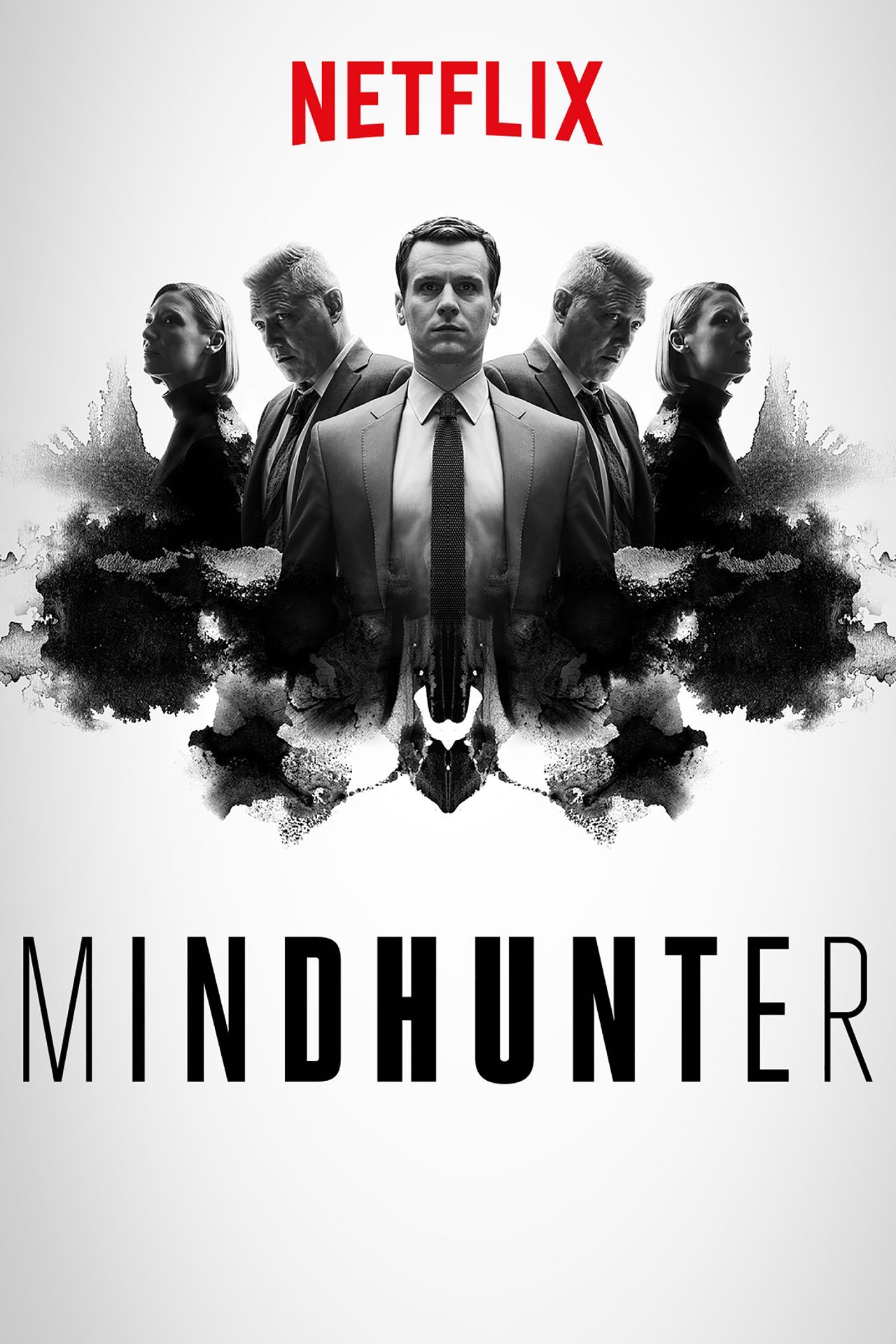
For this assignment, I decided to focus on my experience with Mindhunter. This show was not just a source of entertainment for me, instead it opened up a whole new section of my interest in Forensic Psychology. It showed me that criminal behavior is not just evil actions or chaos, instead sometimes it’s about patterns. Studying criminal behavior helps to predict or prevent these heinous crimes.
My Experience
Growing up, around the age 11-12, I would have “movie nights” with my father and sister. However, we did not watch movies, instead we watched crime documentaries. These documentaries consisted of famous serial killers such as Jeffery Dahmer, Zodiac Killer, or John Wayne Gacy or random documentaries such as the Tylenol Killer in Chicago Illinois. Instead of these documentaries scaring me, my eyes were glued to the screen. My interest in Forensic Psychology started to ignite after watching these documentaries. I remember asking my father and sister almost every night “Can we watch another documentary” or “Which documentary can we watch”? With all these documentaries, questions started to pop into my mind such as, What happened in people’s lives to cause them to commit these acts? Fishing for more insight and an answer, I started to watch more and more. Recently, I started watching the Netflix series “MindHunter”. After the first episode, I immediately fell in love with the show. This show solidified my interest in Forensic Psychology. The show, set in the late 1970s, starts with Agent Holden Ford and Bill Tench diving headfirst into the new field of behavioral science and started conducting interviews with criminals. They started to gather data to help understand the killers and to use that information to solve other crimes. At first, I had no idea that the show was based on real events. I thought it was just another basic crime show. One episode in particular, the interview with Edmund Kemper, changed my whole feeling for the show. This was the first scene in the show where Agent Ford and Bill Tench interviewed someone. Throughout the interview, it wasn’t just creepy or compelling. Instead, it was calm. The sense of calmness is what made the interview so disturbing. But the calmness throughout the interview made it stick for me. Watching Holden Ford sit across from him, trying to keep his composure as Edmund was talking about his heinous crimes and past, I realized that this is a job that people actually do. Instead of Holden just asking questions to try and chase Ed’s violence and his actions, Holden was looking for the psychology behind Kemper and why he acted in such violence.
I believe the feeling I experienced when watching this scene for the first time was awe. Awe is defined in the glossary as “The feeling of admiration or astonishment mixed with fear or respect, often inspired by something that seems powerful”.
Features Prompting My Experience
So what created this experience of awe for me? The scene was long and filled with silence. This scene was unlike any other crime tv because it had slower pacing. The stillness in some parts of the interview allowed me to fully comprehend what was going on, and it’s this part that made it feel so real. In addition, the acting done by Cameron Britton, who played Kemper, was completely brilliant. His acting was done almost precisely like Kemper which made it so terrifying but also so restrained as well. He doesn’t portray Kemper as a monster. Instead, he acts like someone who is completely rational, well spoken, and calm. This portrayal of rationality and maturity is what makes this scene so disturbing. Another aspect is Holden’s reactions to Ed Kemper. The shots of Holden’s reactions hold a lot of emotional power. The shot portrays Holden’s curiosity, discomfort, and even his obsession with what Ed is saying.
https://www.youtube.com/watch?v=JwaXbrPQnHU
Technologies I found
Once experiencing this scene, I wanted to understand the background of the scene such as how it was made and what choices were behind it. What I believed made this scene so fascinating was the cinematography, dialogue, and the tone of the scene. For cinematography, the show uses wide shots during the interview. This way of shooting the interview made me feel as if I was watching surveillance footage and felt more like an observer. The dialogue structure of this scene was based on many of the lines from the actual interview. The real interview was conducted by two FBI agents, John E. Douglas (Holden Ford) and Robert Ressler (Bill Tench). The use of dialogue from the real interview adds to the whole unsettling tone of the scene. Finally, the tone and sound design added a sense of eeriness to the scene that unconsciously draws you in. The scene consisted of no music, just the sound of their voices, breathing, ticking clocks, and the shifting of positions. These decisions, to slow things down, let me really observe and take in the scene. Being able to take in the scene and observe it myself is what made it so powerful to me.
Works Cited
Fincher, D. (2017, October 13). MindHunter: Season 1, Episode 2. YouTube. https://www.youtube.com/watch?v=JwaXbrPQnHU
Featured Image
Still from Mindhunter. Netflix. All rights reserved